
DESIGN
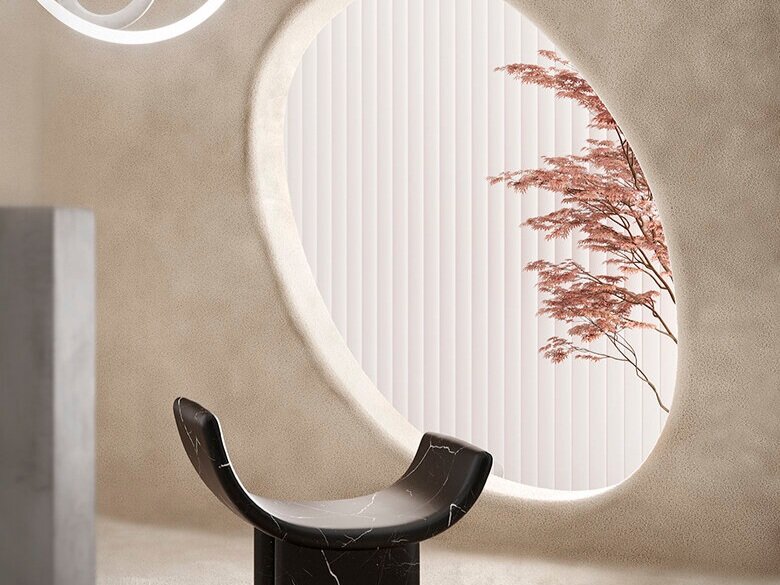
The Italian creative studio of Terzo Piano creates design images with modeling and photorealistic 3D rendering. The visuals portray spaces and objects in their pure form and within perfectly curated settings. Combining creative and technical skills, the studio balances between design and visual communication.

The sculptural furniture pieces by Wonmin Park are almost shrouded in a veil of mystery when looking upon them for the first time. Exuding a strong sense of geometry, the pieces have a minimalistic and modern look. The South Korean designer Wonmin Park graduated from the Design Academy Eindhoven in the Netherlands and has since been a prominent participant of global design fairs such as Design Miami/.

With an instinctive approach to design, Melbourne-based artist Hattie Molloy creates floral installations that tow the line between reality and surrealism, inviting viewers into an ethereal world of flowers that embraces the unconventional. Learn more about her process and how her skills as a photographer, product designer, and creative director blend together to create a vision unlike any other.

The Dutch Studio Enter collaborated with London-based interior designer and creative director Charlotte Taylor to create a series of set designs exploring the boundaries of traditional architecture. Studio Enter is led by Daphne Westland, an Amsterdam-based artist working within the field of creative direction, interiors, and set design. Charlotte is known as the founder of creative 3D and moving image studio Maison de Sable.

The young Danish design studio 101 Copenhagen creates stunning refined objects from lighting to ceramics, tableware and furniture. Based in Copenhagen, the brand perfectly reflects the elegance and serenity that is at the heart of Scandinavian design. “We have a strong vision to create a world of beautiful lighting and accessories of exquisite craftsmanship, quality and timeless design for Scandinavian living,” the brand notes. Their passion for materials and refined textures is reflected in their calm and organic aesthetic where sobriety, serenity and timelessness prevail. “We are proud to present a collection filled with must-have novelties and timeless classics.”
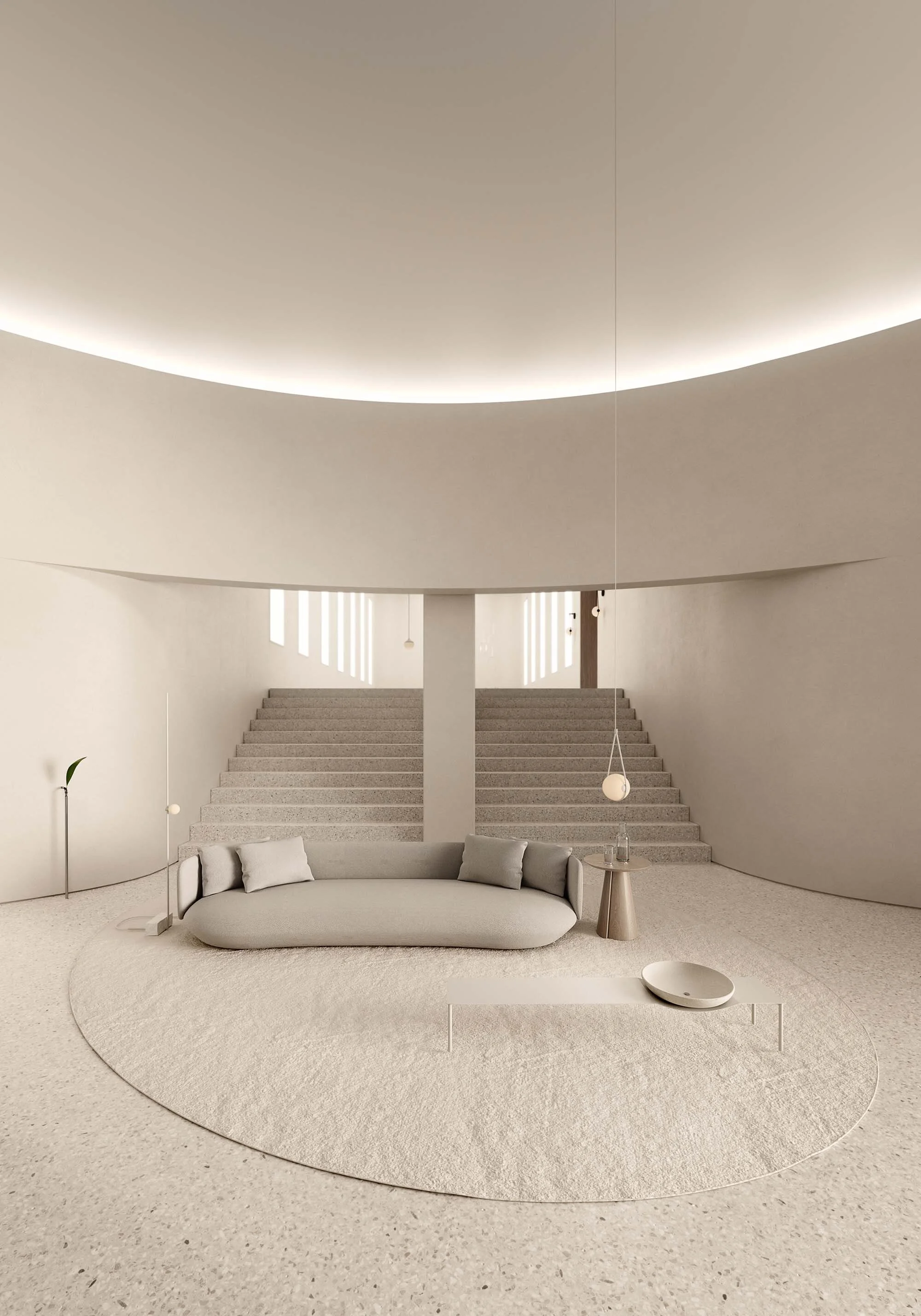
Architecture of Silence is a collaboration between Wentz and Blackhaus, a creative studio specializing in architectural visualization and digital content. The project is a beautiful, sleek campaign that shows the brand's products in a serene environment, distorting the boundaries between reality and imagination. A utopian scenario of what the ideal architecture could be, the project seems to capture the serenity and silence of these rooms in the photographs, showcasing a monochromatic and simplistic way of living. All of the outside noise fades away in the tranquility and stillness of these spaces.

The German design studio Aesthek was founded in 2014 by Sebastian Netz out of the desire to bring together the fields of product design, craft, and aesthetic methods. “Aesthek is moved by an ideal of progressive elegance and contributing to modernist tradition,” the studio notes. This origin and approach distinguishes Aesthek from other design studios.
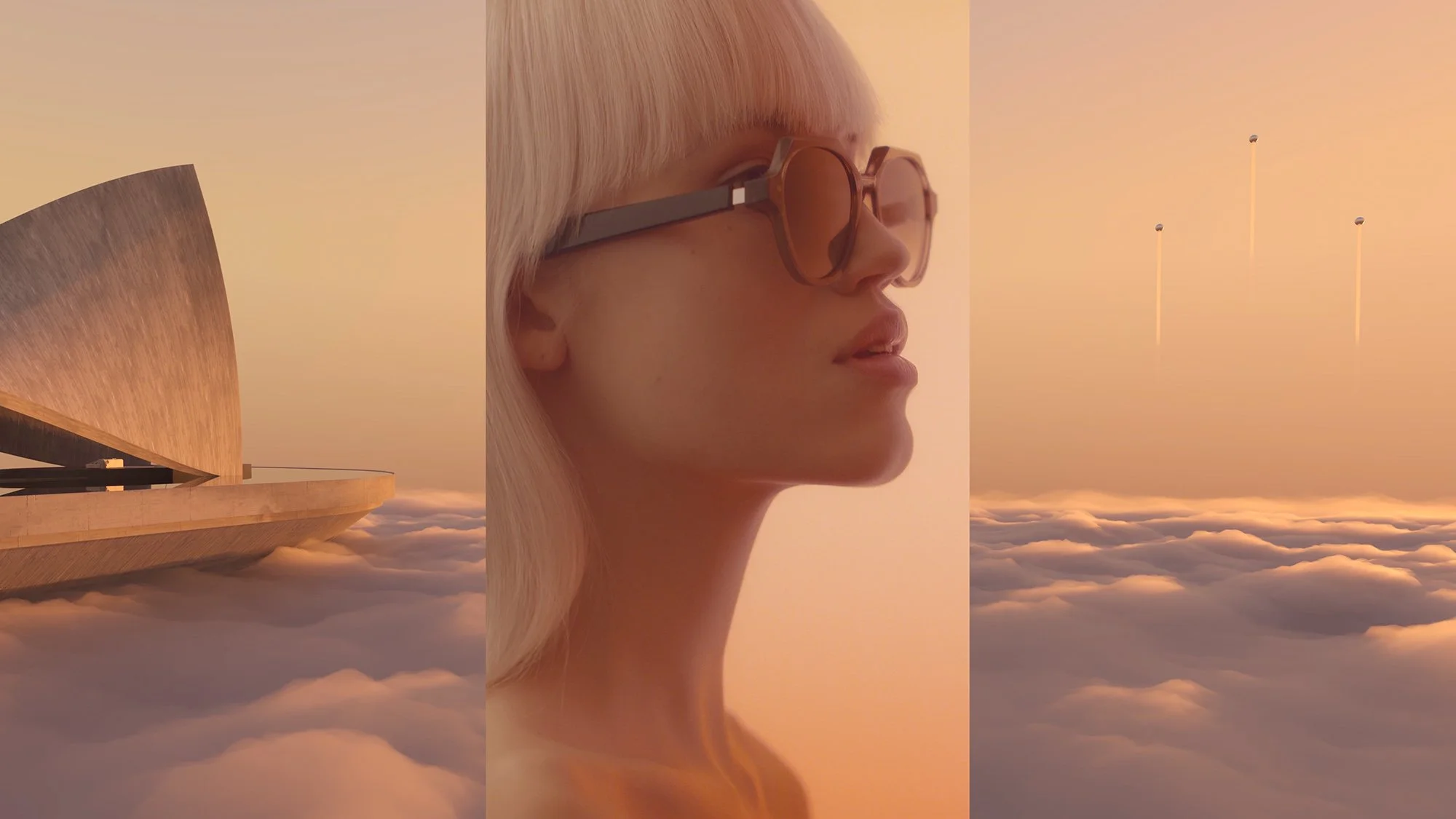

In the heart of Store Kongensgade in inner Copenhagen, sits Tableau, a floral design studio home to innovative designs and creations all brought to life by Julius Værnes Iversen. A floral designer, his work centers around exotic installations both large and small. Showcasing flowers in a unique and new way, his pieces range from the exaggerated and dramatic to the simple and reserved.

It’s Kristina Dam’s detailed expertise that makes her minimalistic designs so captivating. The Copenhagen-based designer’s ability to see the refined beauty in simple lines has launched her career in designing home furnishings and accessories expressive of Nordic minimalism. For Dam, the style captivated her for its natural ability to evoke a sense of calm and tranquility. In a tech-driven and work-focused society, Dam believes people lean toward minimalistic interiors for a place to recharge and unwind from our busy, day-to-day lives. With use of natural materials and a simplistic monochromatic palette, Dam and her design studio creates stylish pieces that will stand the test of time. We spoke with her on why she thinks minimalism is so popular and which projects excite her the most.
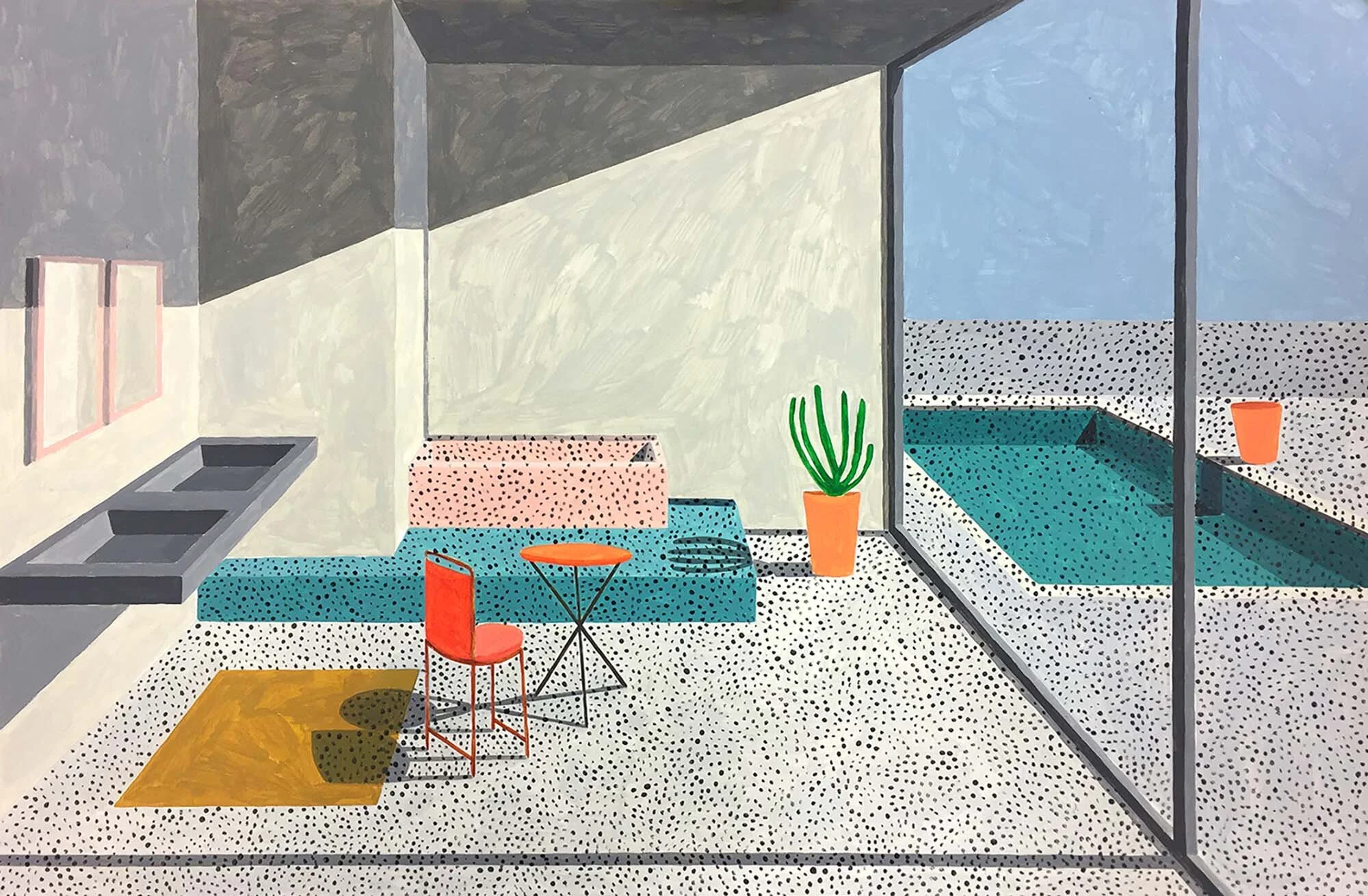
Ana Popescu is a French visual artist and illustrator based in Vienna, Austria who’s work catches your eye and doesn’t let go. Using strong colors and contrast and what seem like simple shapes, her illustrations are visually popping and have a sense of mystery to them as well. Before her art studies of printmaking and drawing at the University of applied Arts in Vienna, Ana studied Philosophy, History of Art and Sociology at the Eberhard-Karls-Universität Tübingen in Germany. Now, her works explore different themes and perception of space, focusing on the relation between inside and outside as well, which translates trough simple forms and vibrant colors. By portraying every day and average objects in different settings and contrasts, she gives them an extra dimension, a second life. The vibrant colors, simple shapes, use of light and shadow and occasional dotted patterns remind of the Pop art and Bauhaus movements and modernist landscapes.

Despite the global pandemic, creativity has not stopped. It cannot be canceled or put on pause because, for some, artistry is an ever-growing, ever-evolving expression of self. To those looking for an outlet for their work, Movimento, a young design gallery based in London, is the perfect place to display their art. The gallery opened last March at the start of the pandemic, and over the last year, has been supporting and highlighting young designers worldwide, exclusively selling their products online on the platform.
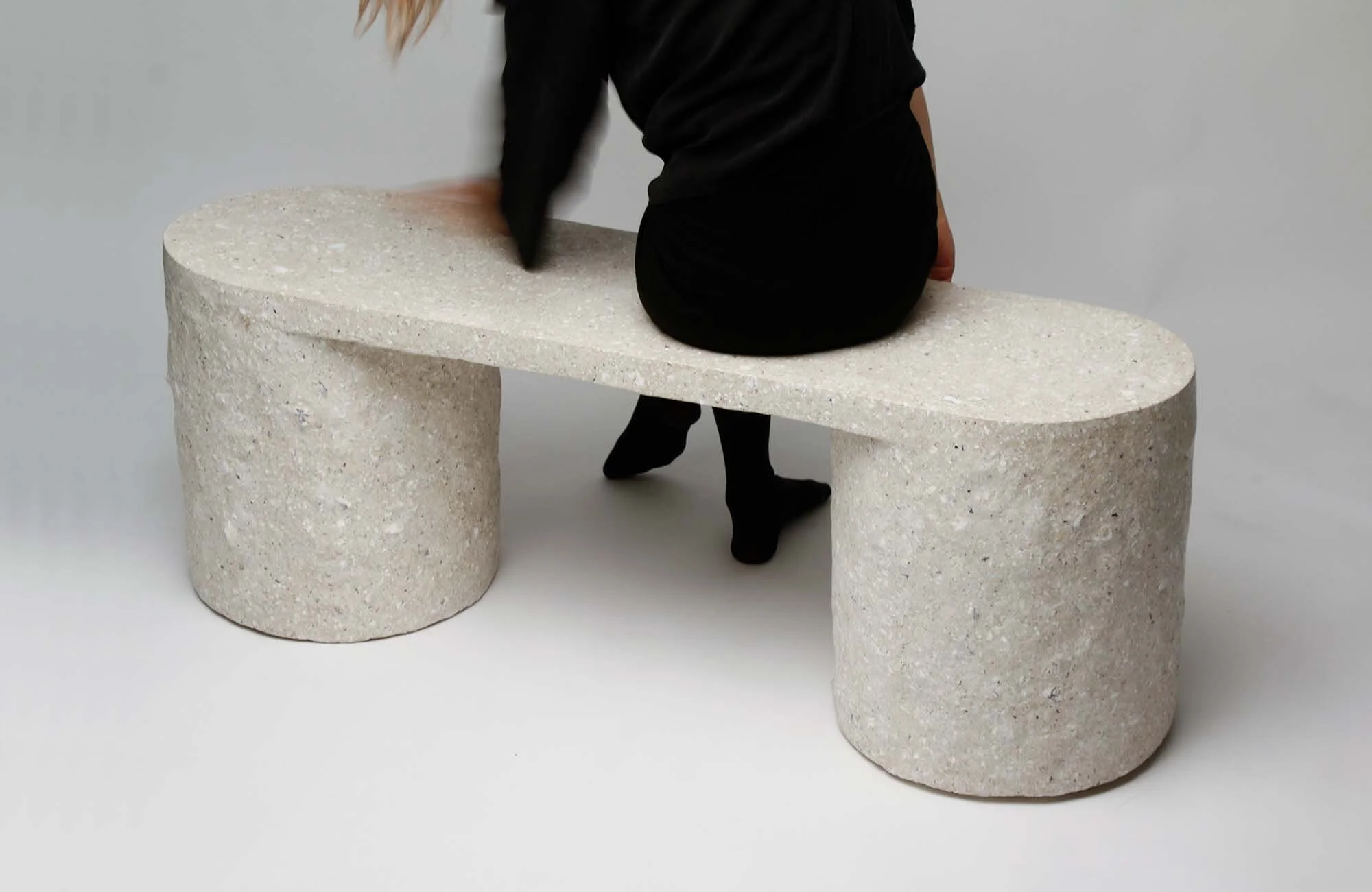
meli Höcks is a Swedish freelance product and furniture designer with a great interest in sustainability and material research. Currently, she is based in Gothenburg, working toward a Master of Fine Arts at the Academy of Design and Art at the University of Gothenburg. Emeli works both on commissions and personal projects, yet always with her signature style and approach in which she celebrates art, creativity, and most importantly, sustainable materials. The designer creates decorative pieces from waste materials as she feels it is her responsibility as an artist and designer to make a change in the design industry and the world in general. Using these materials to create new pieces, she realizes objects in new and surprising ways, designing playful shapes that work from all directions and have a neutral color palette. With her minimalist and unique objects, Emeli creates beauty from what is already within our reach. The designer talks about how she strives for sustainability and her ideas to develop this approach further.

The German furniture company Faust Linoleum combines traditional carpentry and digital manufacturing, creating linoleum tables and tabletops in the Bavarian Alps. The family company has been an expert in environment-friendly furniture since the ‘90s. Their story begins in the early ‘80s, when carpenter and furniture specialist Franz Faust, who was working with designers in Berlin, wanted more than the luxury sector he was creating for at that moment. So he took a leap and developed his own business that would focus on people. Franz wanted his high-quality designer furniture to be available and affordable for everyone. He achieved this by combining and focusing on design, hi-tech production, high-quality materials, and elegant, functional aesthetics. Choosing linoleum as their key material, Faust Linoleum was born.
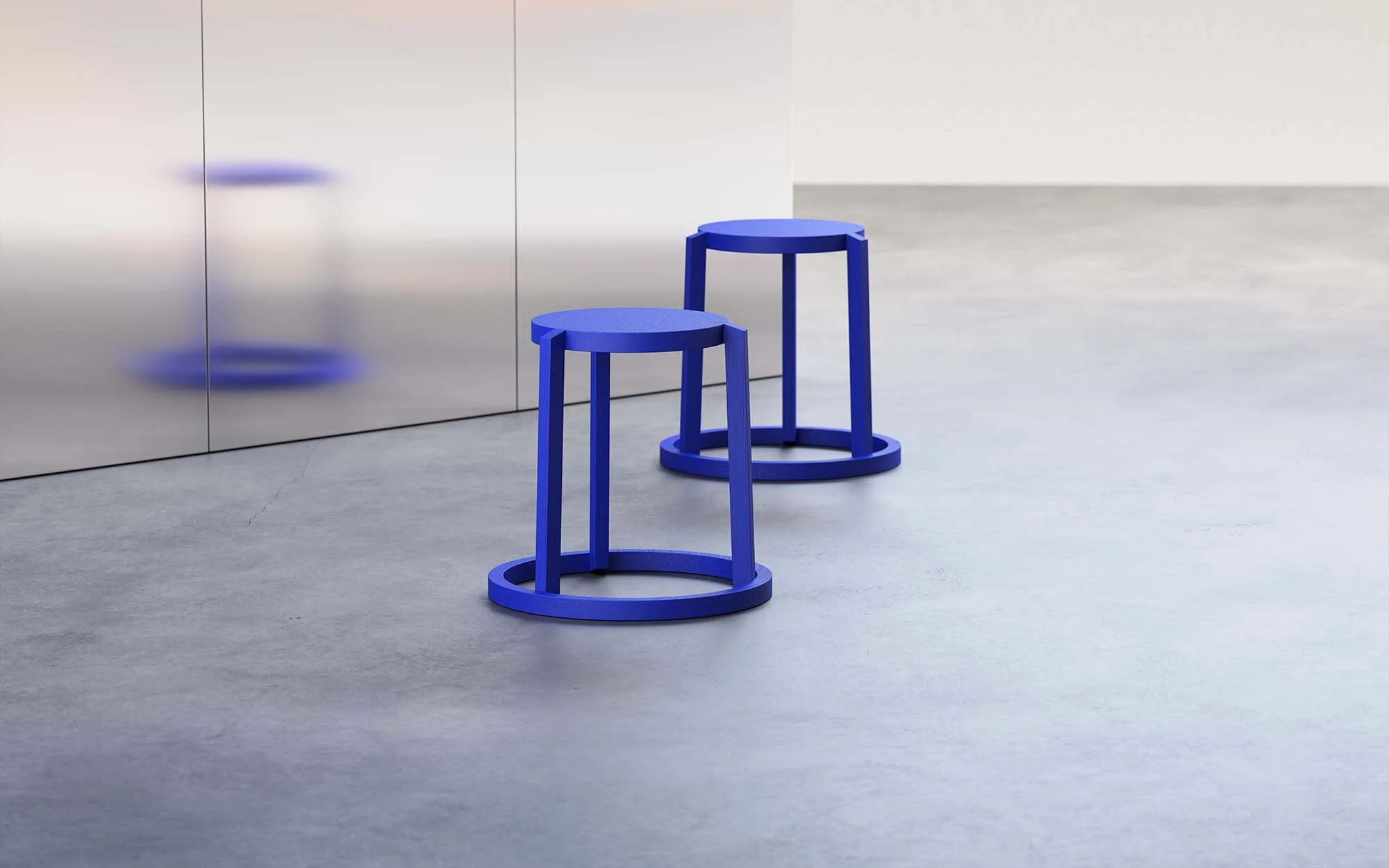
For some designers, their work is the foundation of their artistry, an extension of their creativity and personality, wrought through passion and expression. For others, like Robert Fehse of ARGUMENT, the design is meant to be perceived and understood by the viewer, left for interpretation as either functional piece, art form, or both. The German designer, founder, and creative director of ARGUMENT started the brand as a communicative tool, seeing artistry through furniture and everyday objects. But it’s the effect and appreciation of his design by viewers that give his work life.

Valerie_Objects is an Antwerp-based design label founded by Axel van den Bossche, the CEO of Serax, and art director Veerle Wenes, the owner of the Valerie Traan gallery in Antwerp. The two creative minds combined their knowledge and passion for all things good and beautiful in this amazing brand through which they “translate signature works of designers, architects, and artists into tangible objects.” Their mission is to appreciate the aesthetic meaning of everyday objects, focusing on what makes them special. That is why they started with cutlery, a tool that is not easy to design to be beautiful as well as functional. Among others, Maarten Baas, Muller van Severen, and Koichi Futatsumata have designed their own interpretation of these daily tools, leaving behind the classic silverware shapes. After this initial cutlery series, more creations and more collaborations followed. Today, they mostly work with Muller Van Severen, Maarten Baas, and Destroyers/builders. Valerie_Objects has grown into a global design platform “presenting everyday tools and objects that have a unique appearance” as their main philosophy.

Melbourne-based Studio 11:11 is a multidisciplinary design studio that explores the boundaries between interior, architecture, leather goods, and objects. The studio was founded by New Zealand architect and interior designer Annabel Smart and Dutch interior architect Marijne Vogel. Annabel graduated with a degree in architecture at the Victoria University of Wellington, after which she worked for some renowned New Zealand design firms before moving to Melbourne in 2012. Marijne moved there after obtaining her Bachelor of Interior Architecture at the Royal Academy of Arts (KABK) in The Hague and working for Studio Hecker Guthrie.

Within an empty space, there’s the unlimited potential that allows for one’s creativity and personality to shine through. In a house, it’s not only representative of the people in the home, but should be filled with individual style and a balance of beauty and functionality. For artist and stylist Merete Vyff Slyngborg, her fine arts education and experience as an artist allows her to see each space from a uniquely creative perspective and design it not only with style but professional artistry in mind.

In 2017, high-school friends Emelie Ivarsson and Shalony van Stralendorff combined their passion and fascination for nature, gastronomy, and the presence of everyday aesthetics into their very own design studio, Bonnibonne. The fairly young studio is based in Norrland, Sweden, and aims to highlight some of Norrland’s cultural heritage. Together, Emelie, now Chief Operating Officer, and Shalony, Creative Leader, present traditional craft and ancient knowledge in a new and contemporary context. They make different interior accessories and everyday objects with a functional purpose while maintaining an elegant and timeless look. Balancing on the border between poetic and timeless aesthetics, they create beautiful products born out of everyday needs. Emelie and Shalony even published a book, Kontur, in which they continue the line of slow living and artistic configuration that is also present in their designs. The women of Bonnibonne talk about how they add value and Scandinavian heritage to everyday life.

The German designer Johannes Lindner founded his eponymous studio out of a deep interest in modern design. His work mainly focuses on modern products and furniture design, and he creates commissions for a wide range of Scandinavian and international design companies such as Skandiform, Flensted, Pierre Junod, Present Time, and others. Focusing on quality and craftsmanship, Johannes Lindner Design “embodies products that are appealing in a timeless and functional way and have a strong identity,” the studio notes. Functionality, aesthetics, clean lines, and a perfect choice of materials are combined into coherent and striking design projects with a clear visual expression and modern simplicity.

LOEHR is a Berlin-based design studio that combines the talent, interests, and passions of three brothers into one brand. David, Leon, and Julian Löhr founded LOEHR creating furniture and objects in “a constructive interplay of force, planes, and materials.” So it is no surprise that their brand name derives from their last name: In German, ö can also be written as oe, which is completely identical. Setting the name with an oe works much better visually and internationally, according to the brothers.

An artistic soul, interior stylist and product designer Colin King has expressed himself creatively as a dancer, trainer, and decorator, finding the beauty in all things artistic. His work in interior design hones in on the forgotten beauty of a space—a lone corner, an overlooked bathroom, a well-used room—and elevates it into an attention-grabbing area that anyone would want to live in. From the big dynamic furniture to the smallest of accessories, he focuses on the smallest detail and how each piece functions and contributes to the space as a whole.

The American brand Light + Ladder creates home objects beautiful in their natural simplicity. Founded by Farrah Sit, who has been fascinated with how things work all her life, the studio breathes her motto: “Own less, own well.”
In a world of disposable consumerism, Light + Ladder brings peace and organic beauty by paying attention to details and the natural world. Noticing an increasing demand for cheaper and high-volume goods, founder Farrah took matters into her own hands, quite literally and started the intimate process of fabricating by hand. Enabling her to better understand the materials and let the designs and objects come into their own, organically. Her passion and talent for the craft led her to develop her collection and the story of Light + Ladder.

Educated as a fashion designer, interior stylist Pernille Vest knows how to dress up a space like no other. With her sober, quiet minimalism and elegant style, she transforms every room, booth, and set into a dreamy and refined background or picture for projects and collections by designers, architects, and clients all over the world. She was one of the co-founders of the magazine RUM and now of Ark Journal—as a fashion designer, she wasn’t always happy with the styling, which inspired her to do it herself. Now, she combines her passion for art, design, and furniture with her stylistic eye and talent.

A collaborative effort, Klaus x VISUAL PLEASURE, has culminated in this concept of physicality between the handcrafted chair and the human body. Photographed by Pilar Schacher, the photo series showcases the balance between wood and body, merging together with the background that is formed by air, represented by the white parachute, that surrounds everything. In the imagery, represented is the “harmony of oneness between the human body and the object and the feeling of comfort, security, and calmness.”

Understanding what makes a house a home is a talent of curator and designer Bettina Kiehnle of Studio IMA. With her apartment doubling as both a living space and a gallery, she sees the beauty in finding the perfect piece for her home—artwork that balances both culture and inspiration, but fills the space with a natural simplicity. With an apartment that plays double duty as a gallery and store (not to mention a place to lay her head), she invites visitors in by appointment only to look over her highly-curated content of work from both local Mexican and international artists.

There’s something about flowers that speak to Hattie Molloy. The florist, sculptor, stylist, designer, and artist, sees blooms in a wholly unconventionally way, creating installations and sculptural creations that become unique and unexpected botanical masterpieces. Drawing inspiration from the past she makes ‘90s flowers (remember those big blossom hats?) cool again. Changing our perspective on what’s trending, she puts her spin on floral architecture with pieces that incorporate fruits, vegetables, seasonal flowers, and other botanical elements.

Between environmental sustainability and conscious crafting sit the designs of FORESTA. This emerging interior design brand, a child of Honduran artisans and Berlin-based designer, Rebecca Goddard, is focused on fair trade, sustainable production, and environmental and social responsibility. Not to mention timeless, well-crafted pieces that are everlasting classics in the home.

So often our love of design stems from the beauty and structure of the final product—the way a piece of furniture sits in a room, the way the light fills a space, or the way artwork brightens and improves a blank wall. If something is done well, rarely do we consider the components that go into making it; the idea of base materials completely alludes us. But for Russian studio Omniton, their architectural forms are focused solely on the materials—they start with a strong sculptural, structural, and quality component, building from the ground up to create pieces that will suddenly stop and make you wonder—what is that made of?
The best interiors are those that reflect their inhabitants. For modern classics designer Girstė Urbaitytė, Intro Dizainas every project is a collaborative effort with the client, embedding their essence into all of the details of the home — from existing forms to curated focal points