Finding the Essence of Space, How BETA Ø Approaches Architecture Across All Scales
Finding the Essence of Space,
How BETA Ø Approaches
Architecture Across All Scales
AN INTERVIEW ON CONTEXT, MATERIALITY, SUSTAINABILITY, AND ARCHITECTURE AS A LONG-TERM FRAMEWORK FOR WELL-BEING
Name:
BETA Ø
Photography:
Courtesy BETA Ø
BETA Ø is an award-winning architecture studio based in Madrid, working across architecture, urban planning, landscape, and interiors. Guided by a belief that every project, regardless of scale, can improve both the natural and urban environment, the studio approaches each commission as a chance to enhance everyday life. Rather than following trends or stylistic agendas, BETA Ø seeks the essence of each place, shaping spaces defined by clarity, delicate materiality, and a deep sensitivity to context.
VISUAL PLEASURE Magazine: BETA Ø approaches architecture as a way to improve both the natural and urban environment. How does this ambition translate into the everyday realities of practice?
BETA Ø: For us, everyday practice starts with the awareness that any new building will inevitably transform its surroundings. This is why each project begins with a careful analysis of the site and its conditions, considering both tangible and intangible factors. We see every commission, regardless of scale, as an opportunity to improve the natural and urban environment and, ultimately, the quality of life of the people who will use it. Rather than following trends or predefined styles, our ambition translates into a thoughtful, strategic approach that seeks the essence of each project and responds precisely to its context.
Your studio works across architecture, urban planning, landscape, and interiors. How do these different scales and disciplines inform one another within a single project?
We are passionate about shifting scales, moving from infrastructures that organize the flow of people to custom-designed details like handles. In this sense, our constant goal is to ensure that what we design enhances the human experience. That is why our ideas align closely with the landscape architects and designers we collaborate with on our team, so that every project, regardless of its scale, carries the same level of sensitivity.
You describe each commission, regardless of size, as an opportunity to enhance quality of life. What does this idea mean to you in spatial terms?
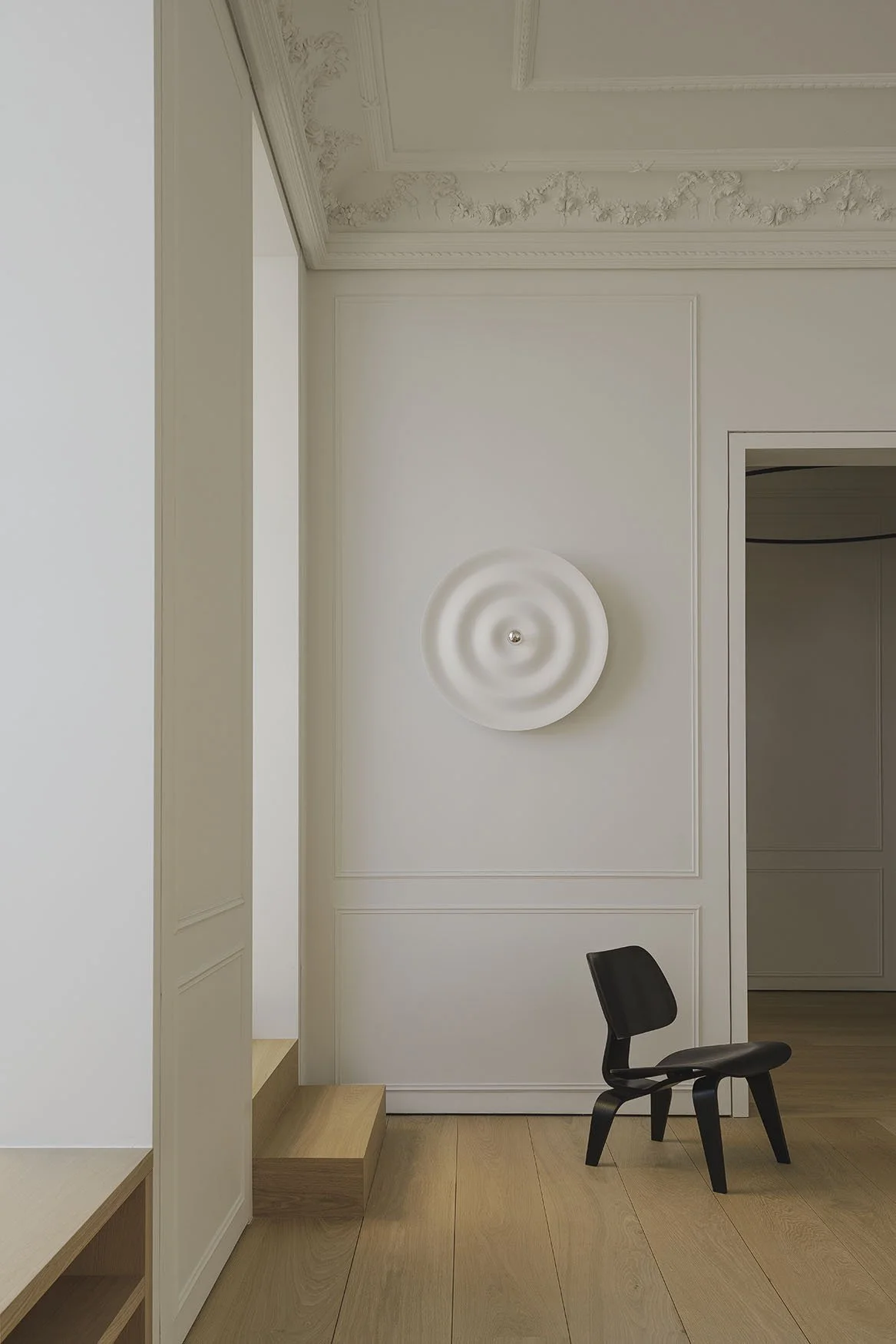
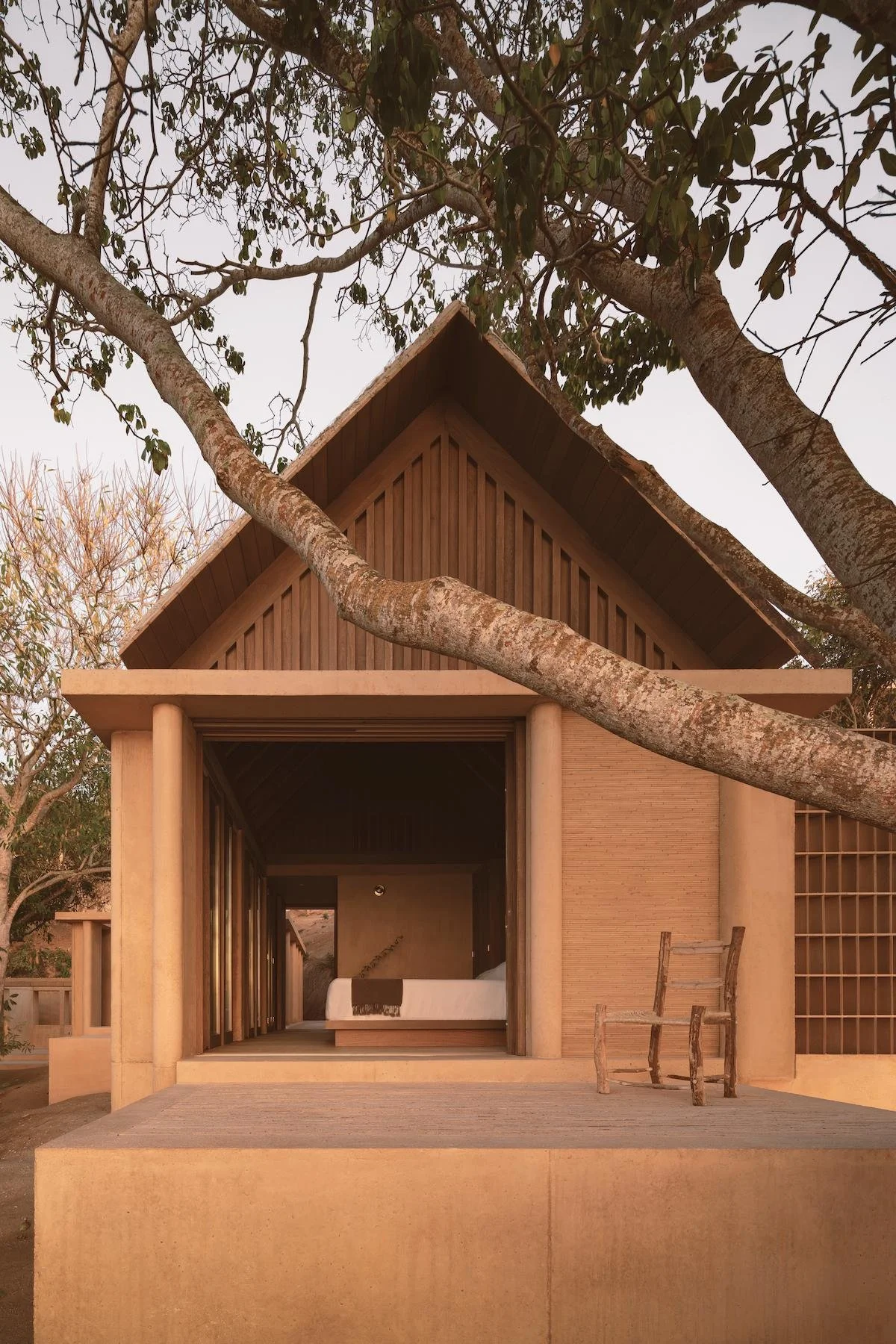
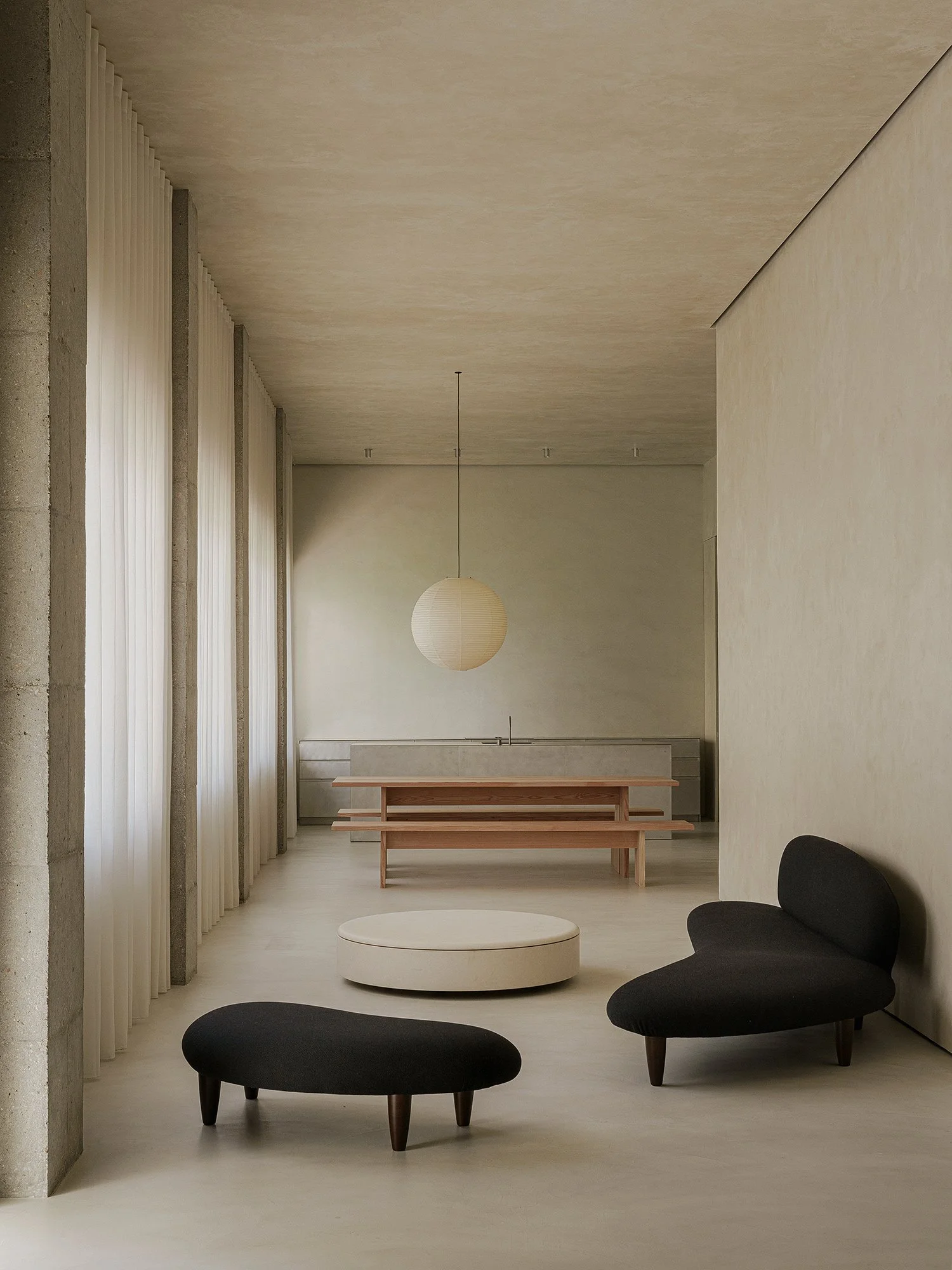
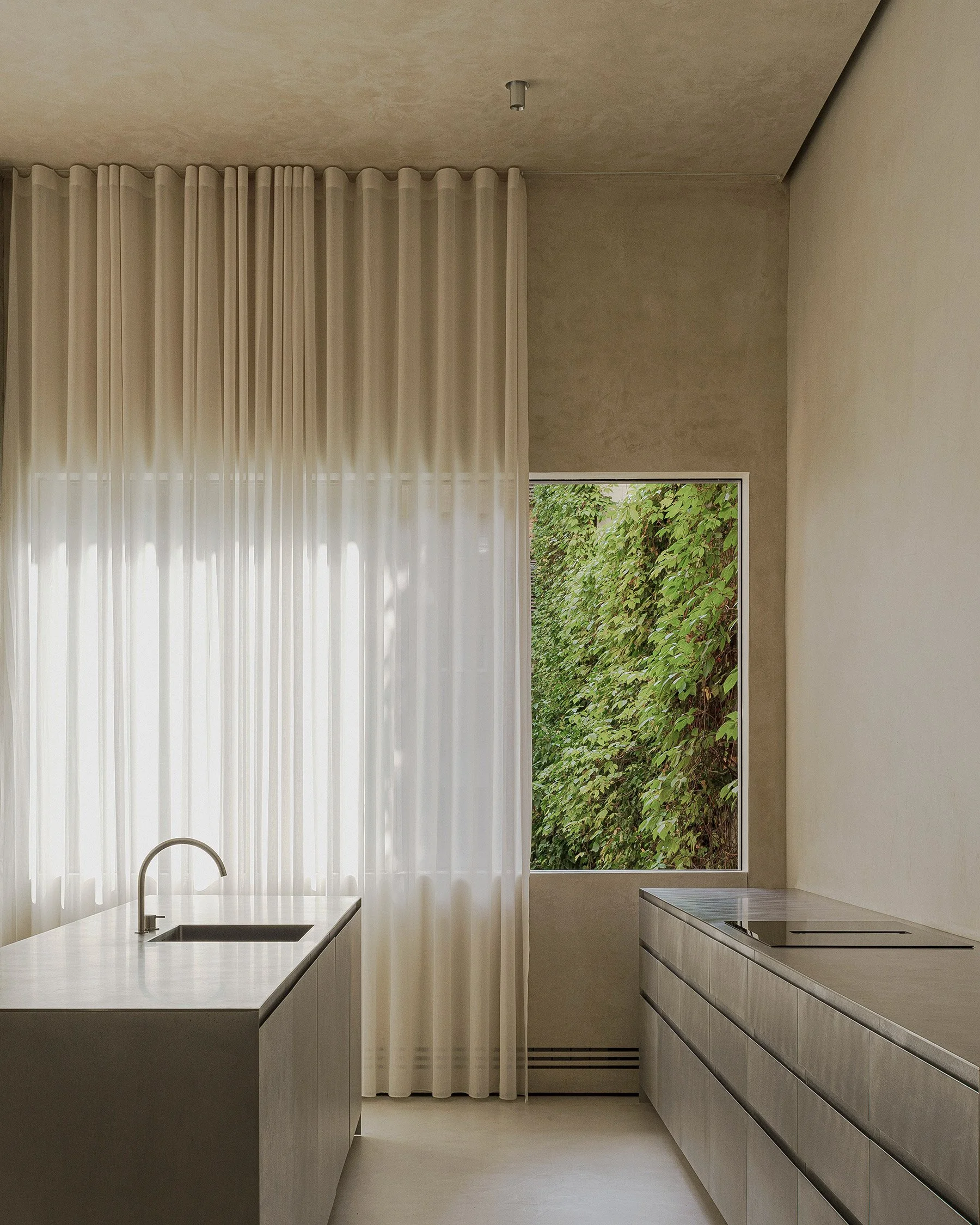
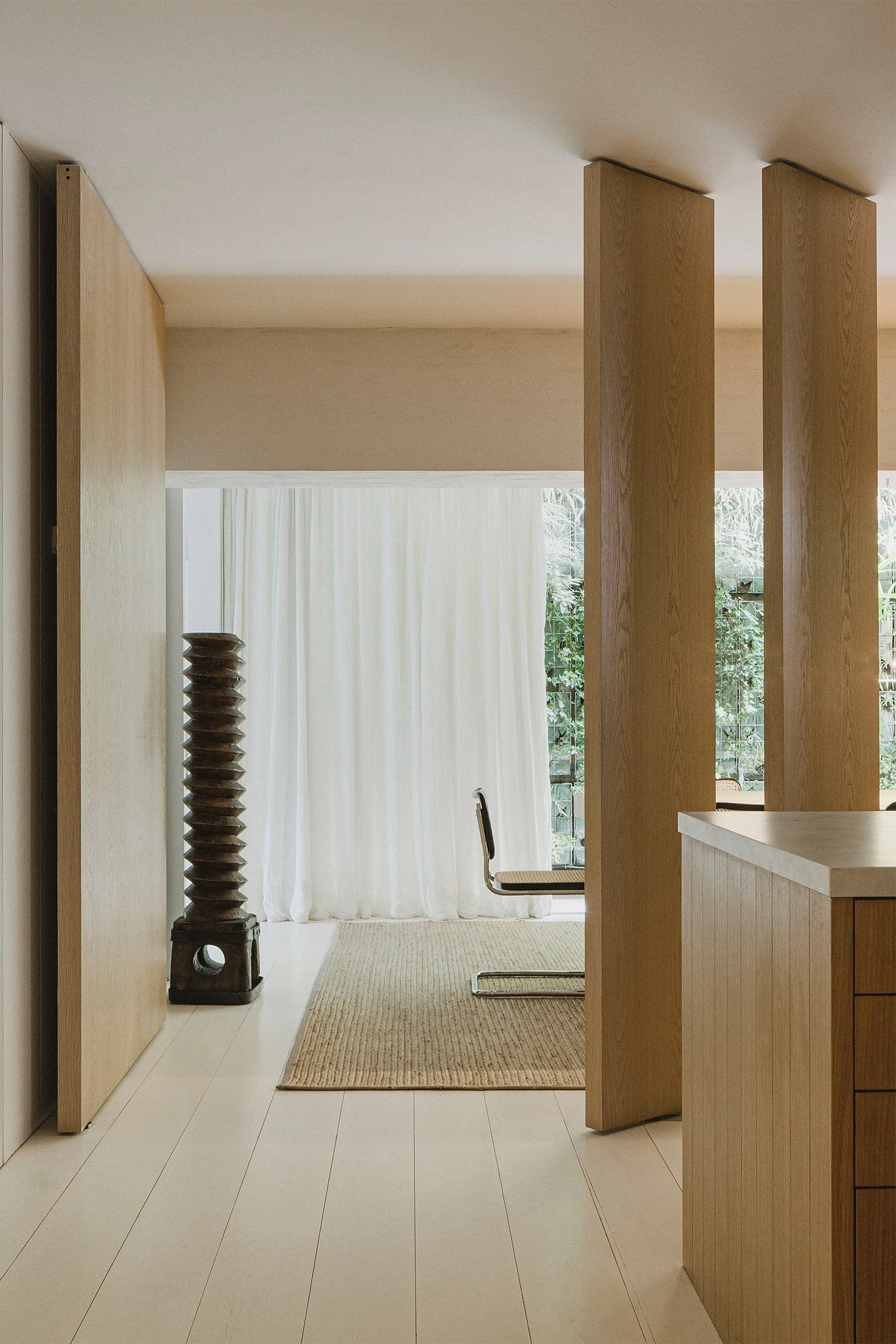
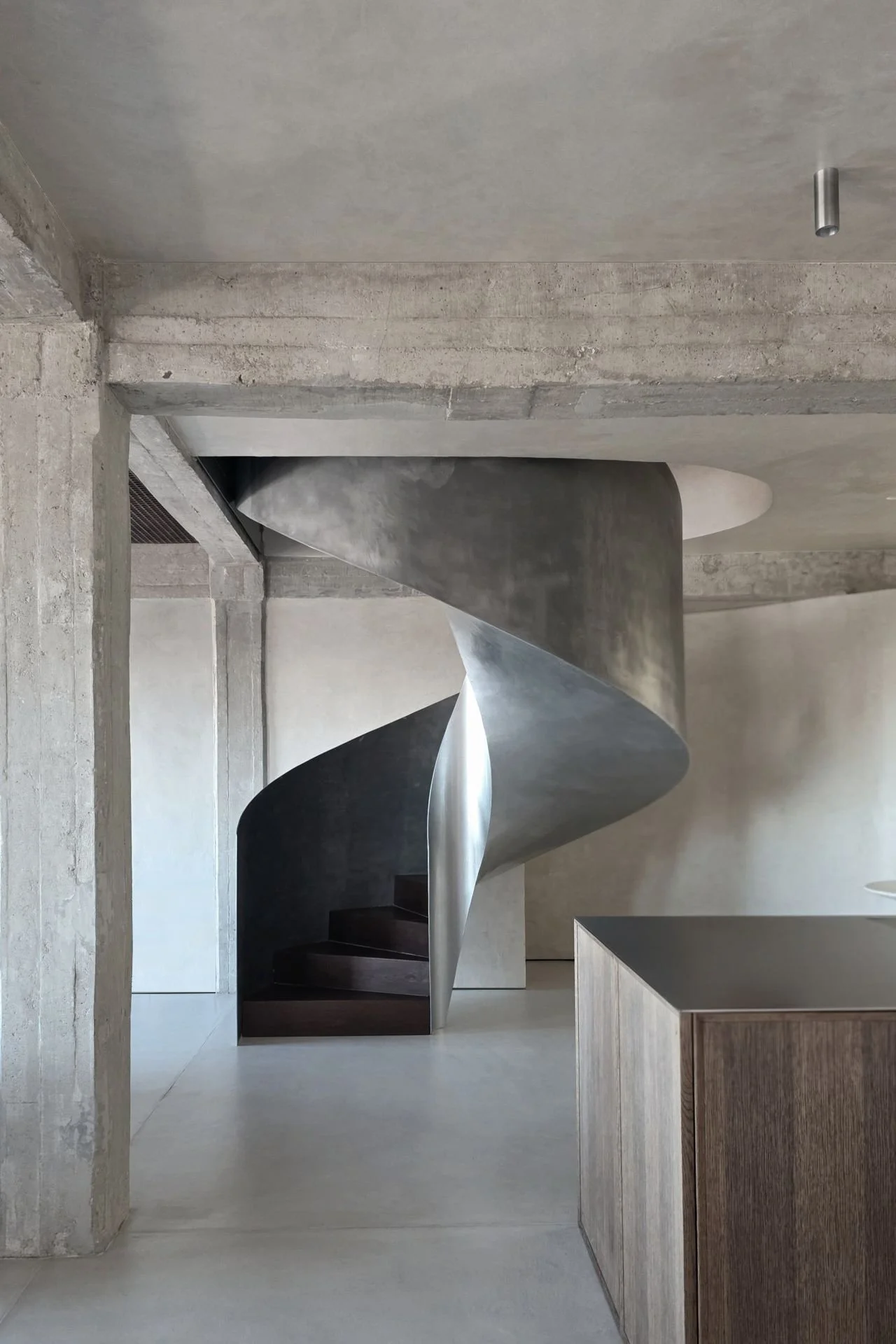
Our buildings and spaces are characterized by their delicate materiality and construction precision, emphasizing attention to detail and the thoughtful use of materials. This approach creates quiet, warm, and powerful spaces that foster well-being and comfort.
Rather than following trends or stylistic agendas, you focus on uncovering the essence of each project. How do you recognize when that essence has been found?
To find the most precise solution and achieve the identity, or essence, of a project, we work with approaches that seek a balance between sustainability and materiality, between technique and aesthetics, always guided by clear artistic values to create unique atmospheres.
Context, culture, climate, and the individual user are central to your way of working. How do these factors shape the atmosphere of the spaces you design?
We analyze the local construction techniques and rely on them and nearby materials. We work so that the buildings and spaces also support the way people in that society interact. Climate, without a doubt, shapes the project from the very beginning through the implementation of passive strategies such as the volumetric form, sun-shading measures, and protection against local winds.
Collaboration and dialogue are key tools within the studio, particularly in your relationship with clients. How does this shared process influence the final architectural outcome?
We like our clients to be active participants in the development of the project. Without a doubt, this interaction enriches the outcome, allowing the project to develop its own unique identity.
“Rather than following trends or predefined styles, our ambition translates into a thoughtful, strategic approach that seeks the essence of each project and responds precisely to its context.”
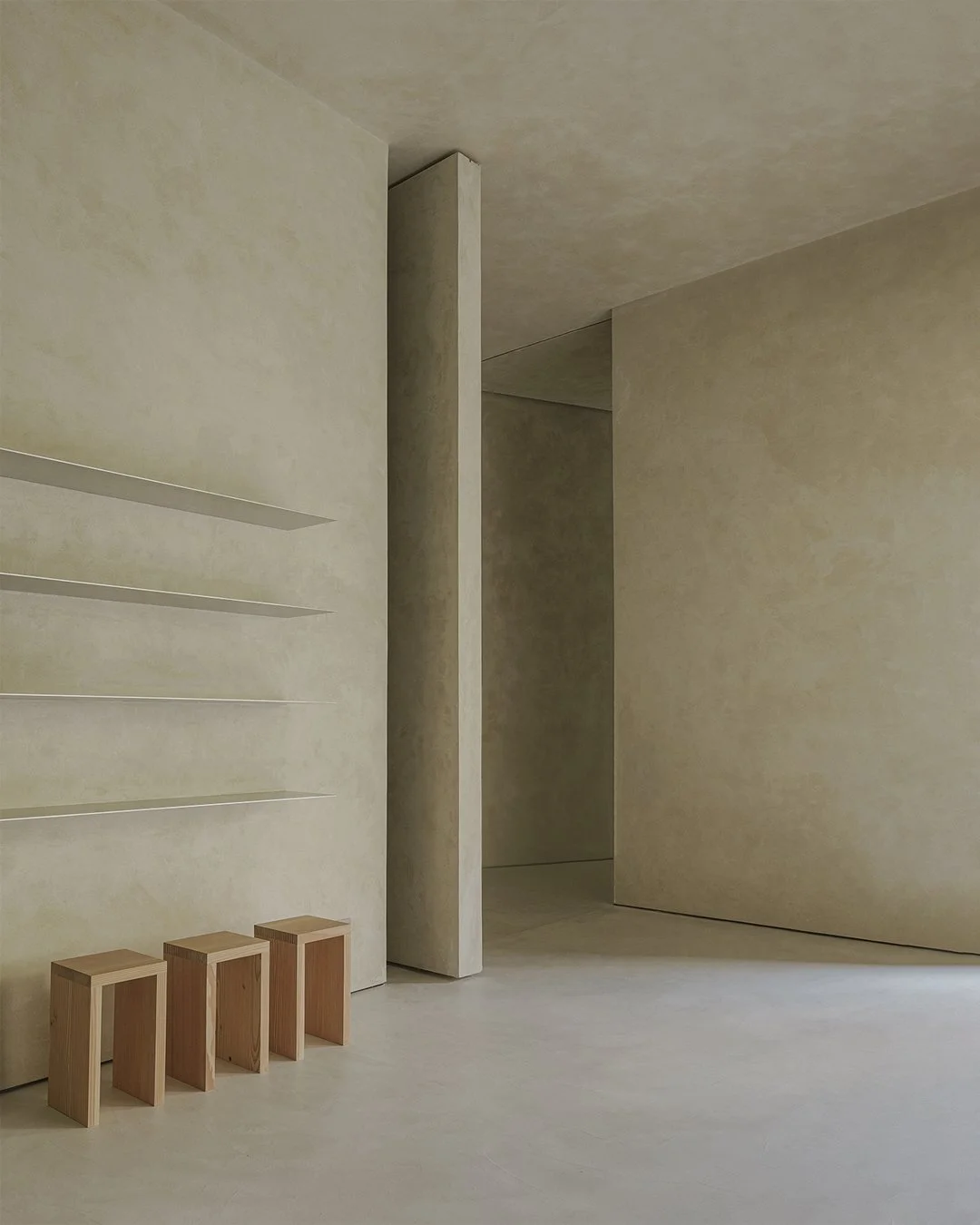
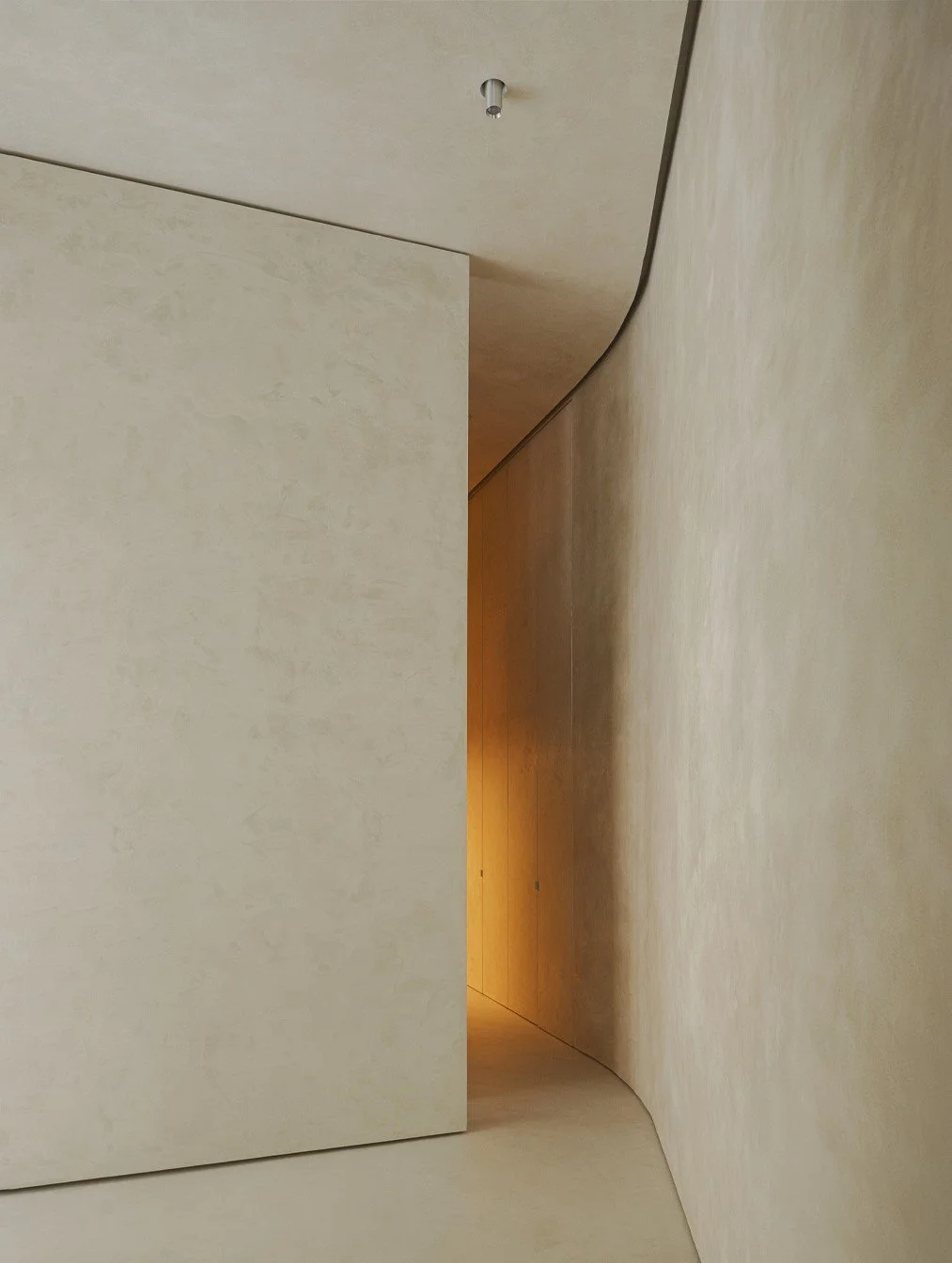
Your projects are defined by delicate materiality and construction precision. How do materials and detail contribute to the identity of a space beyond its form?
For us, it is important that the architecture of each space creates a visual silence, where the materials and the way they come together take center stage, rather than the sum of individual elements.
You emphasize efficient and economical technical solutions as part of your environmental approach. How do these choices support comfort and well-being for the user?
A building committed to the future is one without extravagance, where efficiency ensures that, over its lifespan of 40, 50, or 60 years, CO₂ emissions into the atmosphere are minimized. This directly contributes to the building’s performance by reducing energy consumption.
There is a clear intention to balance environmental responsibility with enjoyment and everyday use. How do you ensure that sustainability remains a lived experience rather than a theoretical one?
The sustainability of each building’s passive and active measures, supported by appropriate technology, also enhances the user experience and promotes comfort by directly reducing consumption. For example, energy demand can automatically adjust to the building’s occupancy, and solar control of the envelope can respond to the sun’s orientation according to seasonal weather patterns.
Once a project is complete and inhabited, what aspects matter most to you when reflecting on the work?
How the intended identity of the project remains intact once the building is completed, and the sense that this essence will endure over time.
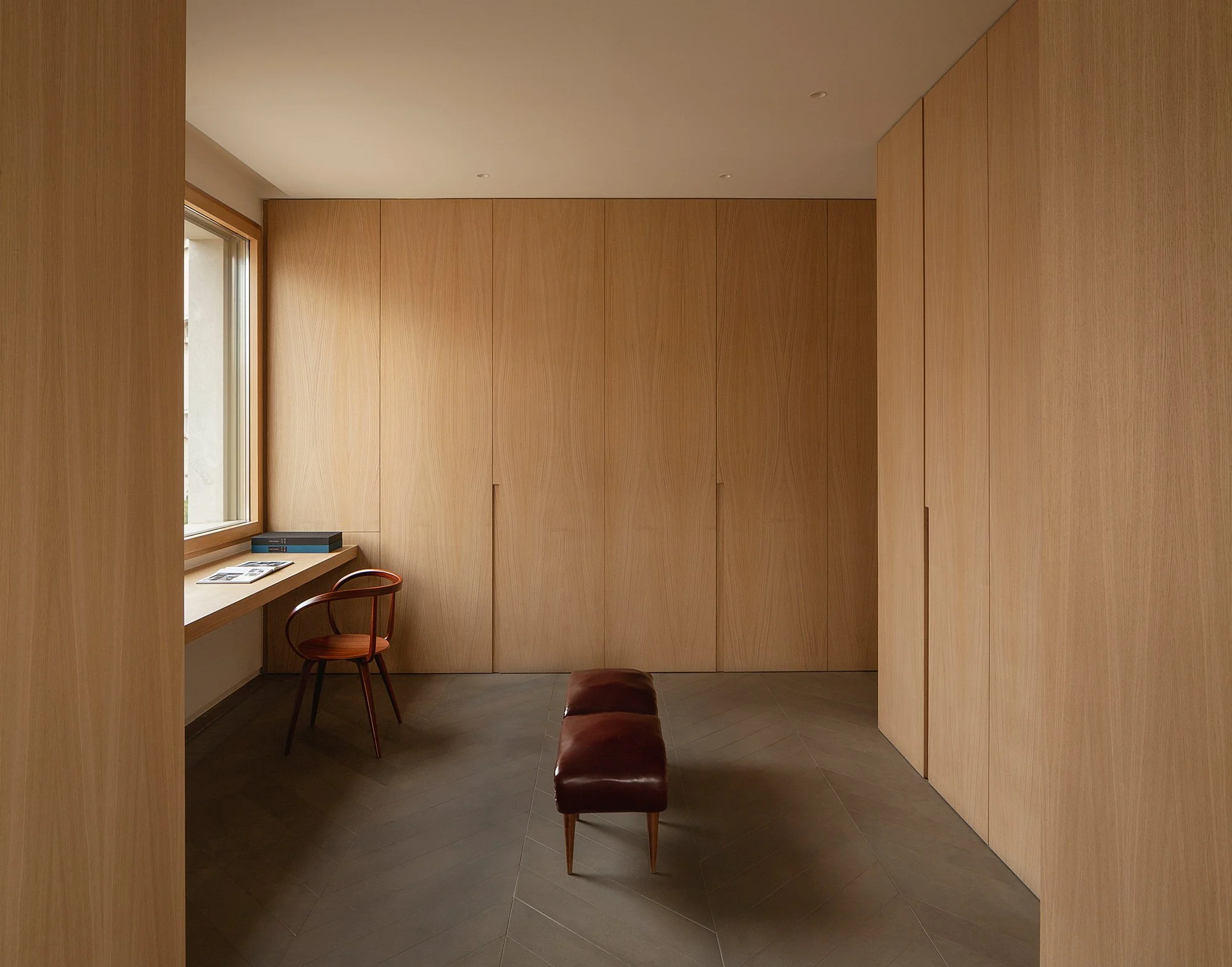
“For us, it is important that the architecture of each space creates a visual silence, where the materials and the way they come together take center stage”