
Baobab Founder Isabella Espinosa on Innovation, Identity, and Fashion Beyond the Garment
Baobab Founder Isabella Espinosa on Innovation, Identity, and Fashion Beyond the Garment
A conversation on Intuition, digital production, and why the future of fashion lies in rethinking systems, not just aesthetics.
Name:
Isabella Espinosa, Baobab
Images:
VISUALPLEASURE Studio
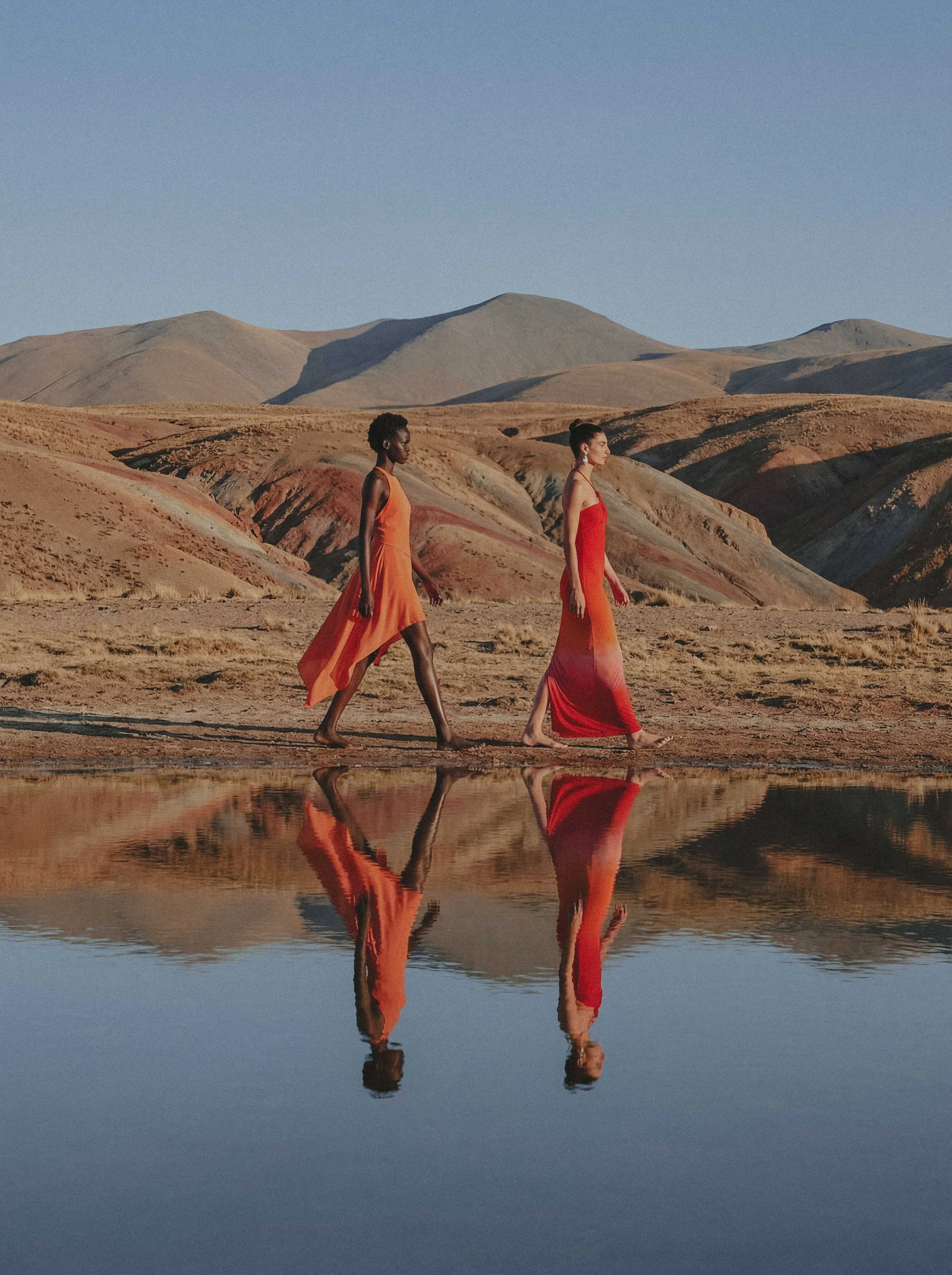
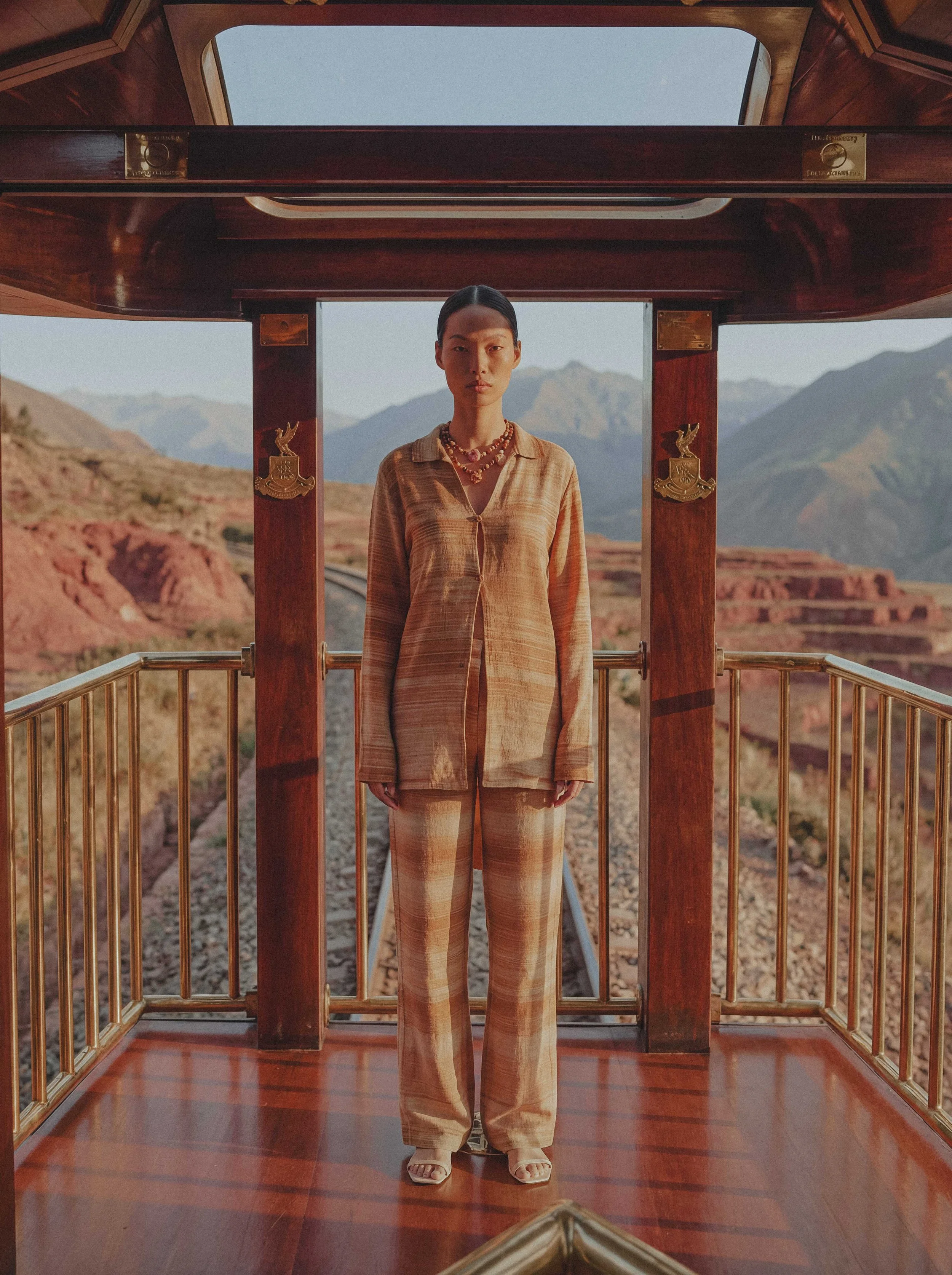
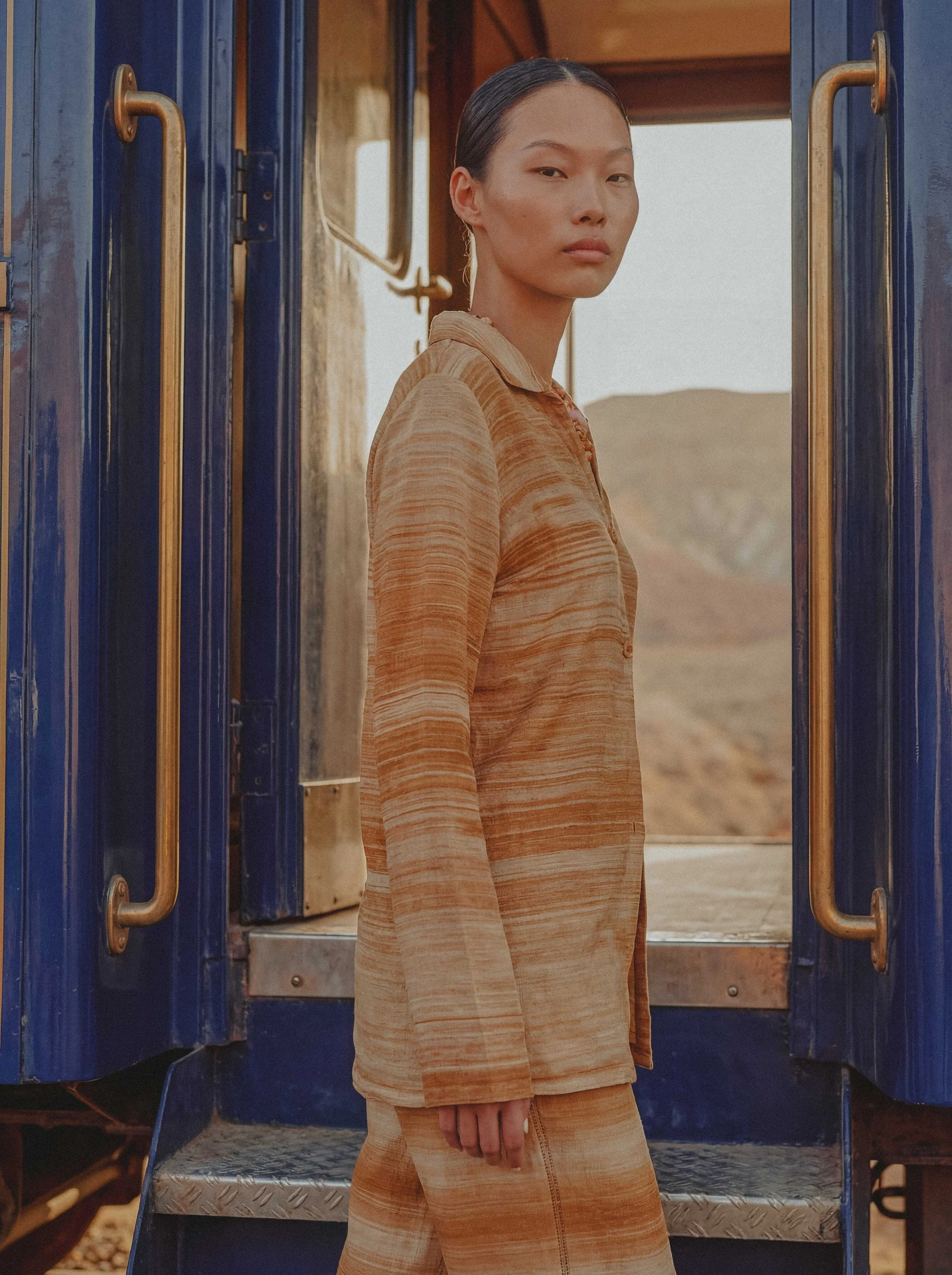
For Baobab, innovation is a way of thinking. In this conversation, founder Isabella Espinosa reflects on the vision that has remained constant since the beginning of the brand, the emotional world she wants women to enter through Baobab, and the thinking behind one of its boldest concepts yet: an AI runway staged at Vinicunca, Peru’s surreal Rainbow Mountain. What began as an almost impossible physical idea evolved into a digitally produced fashion vision shaped by human collaboration, technological precision, and a clear sense of responsibility.
VISUALPLEASURE Magazine: What has remained constant in your vision since the beginning?
Isabella Espinosa: What has remained constant is our desire to innovate.
Baobab was never built to replicate what already exists. From day one, it was about redefining fashion, not as decorative, but as a powerful message.
The scale has changed. The ambition has expanded. But the core remains: we build worlds, not garments.
What is the emotional world you want women to step into?
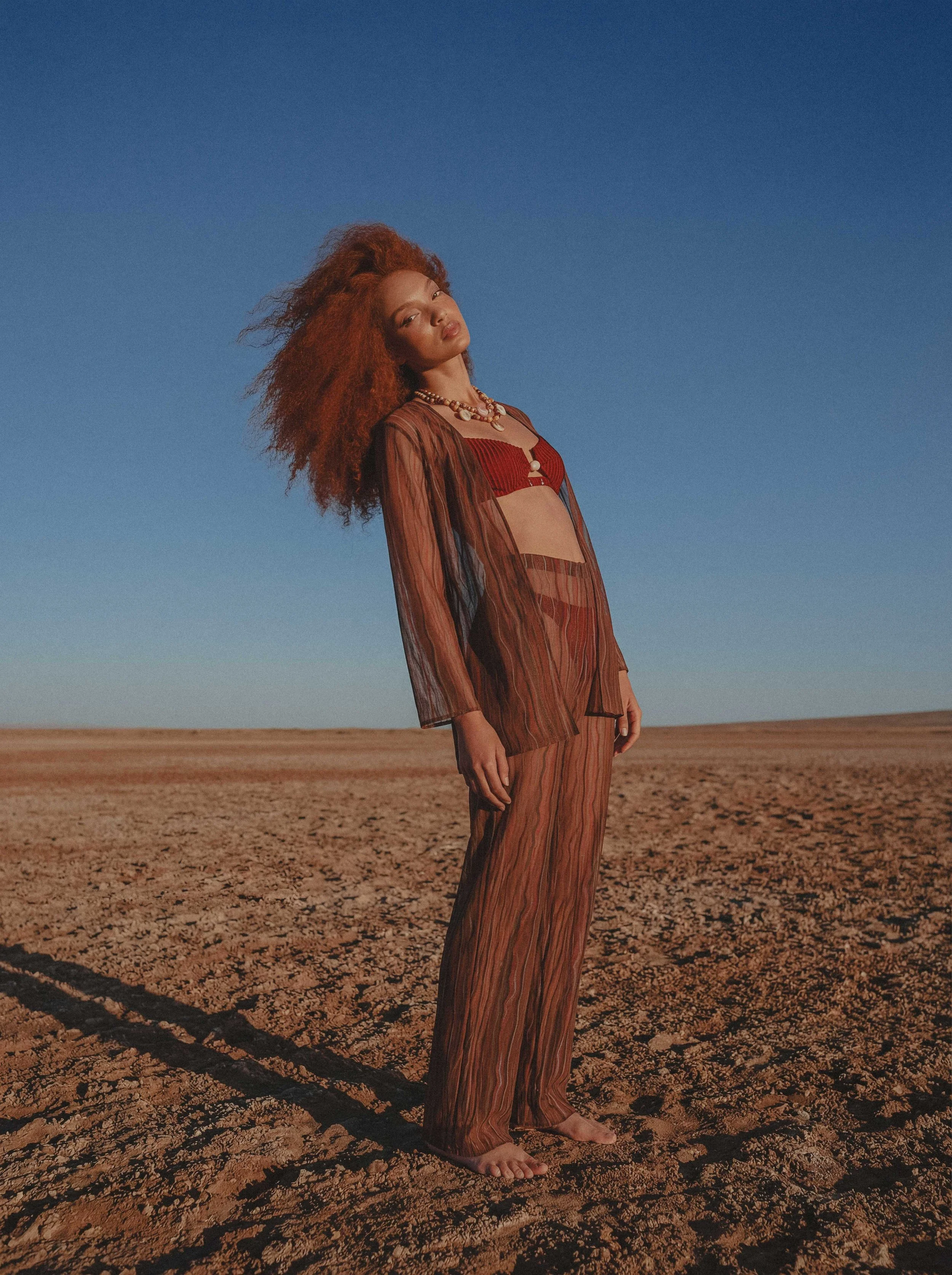
I want women to feel elevated.
When she wears Baobab, she steps into a heightened state of consciousness. She is aware of who she is, of the space she occupies, of the impact she carries. There is sensuality, yes, but it is intentional. It is intelligent. It is rooted in self-knowledge, not validation.
Baobab exists in versatility, pieces that move across moments, geographies, and identities. Because modern femininity is not one-dimensional. It is fluid, evolving, and expansive.
Innovation, for us, is not decoration. It is a mindset. It is the constant reimagining of how fashion can feel, function, and exist in the world.
And above all, Baobab is about uniqueness. We are interested in presence, conscious, versatile, and entirely her own.
How do you balance intuition and responsibility when making bold creative decisions?
Intuition leads, but responsibility refines.
If a decision feels safe, it is usually not transformative. But boldness without awareness is noise.
We study the implications, cultural, environmental, technological and then we move forward with intention. I believe leadership means being brave enough to experiment and disciplined enough to do it consciously, taking into account the carbon footprint we generate with each project.
Where did the idea of staging a runway at Vinicunca come from?
Vinicunca felt mythological.
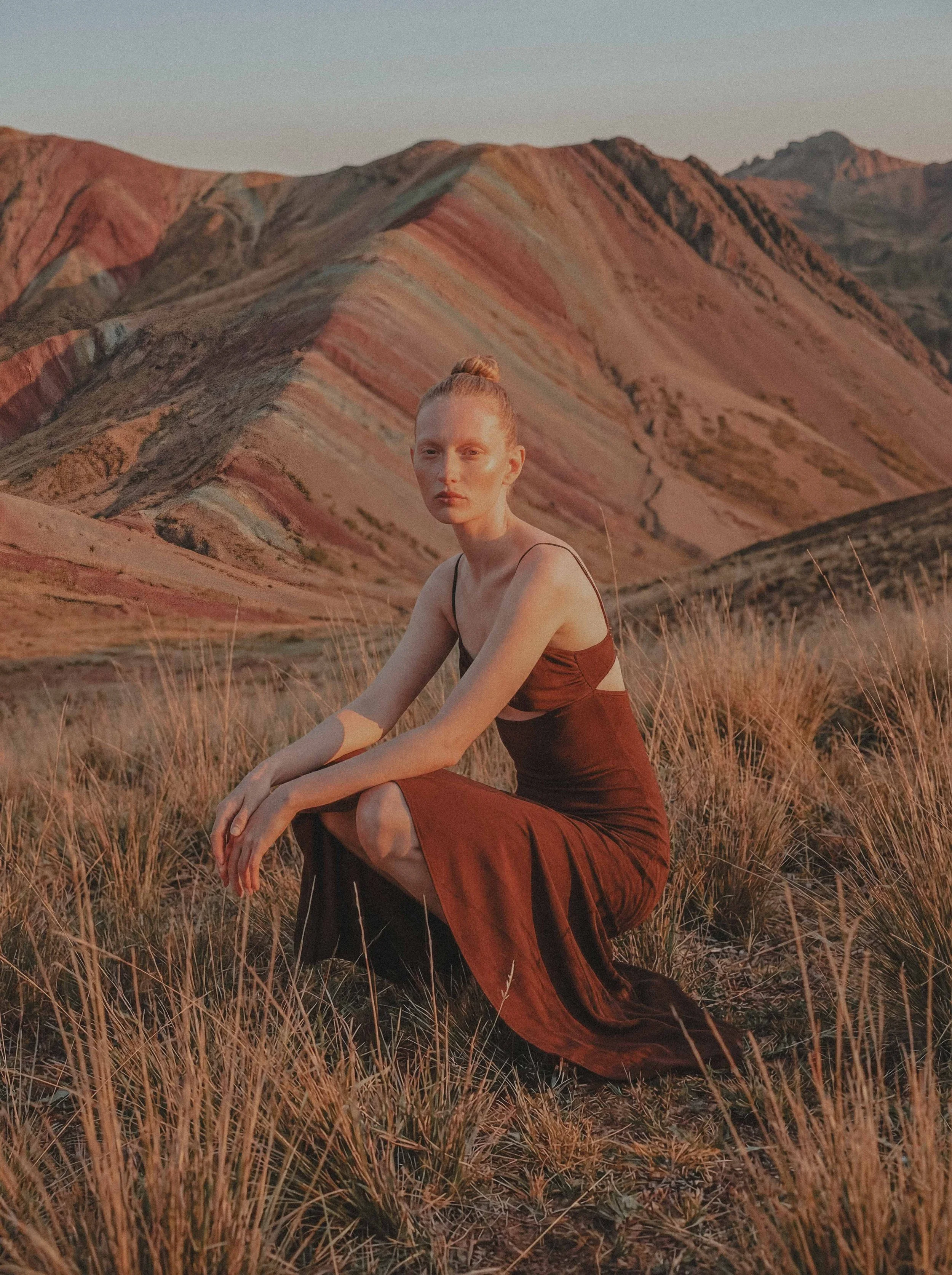
We were designing a collection that spoke about altitude, emotional altitude, spiritual altitude. And I kept asking myself, what landscape holds that energy?
Vinicunca is almost unreal. It’s almost like imagination goes further than reality. And that tension between reality and the surreal felt aligned with SS26.
“We build worlds, not garments.”
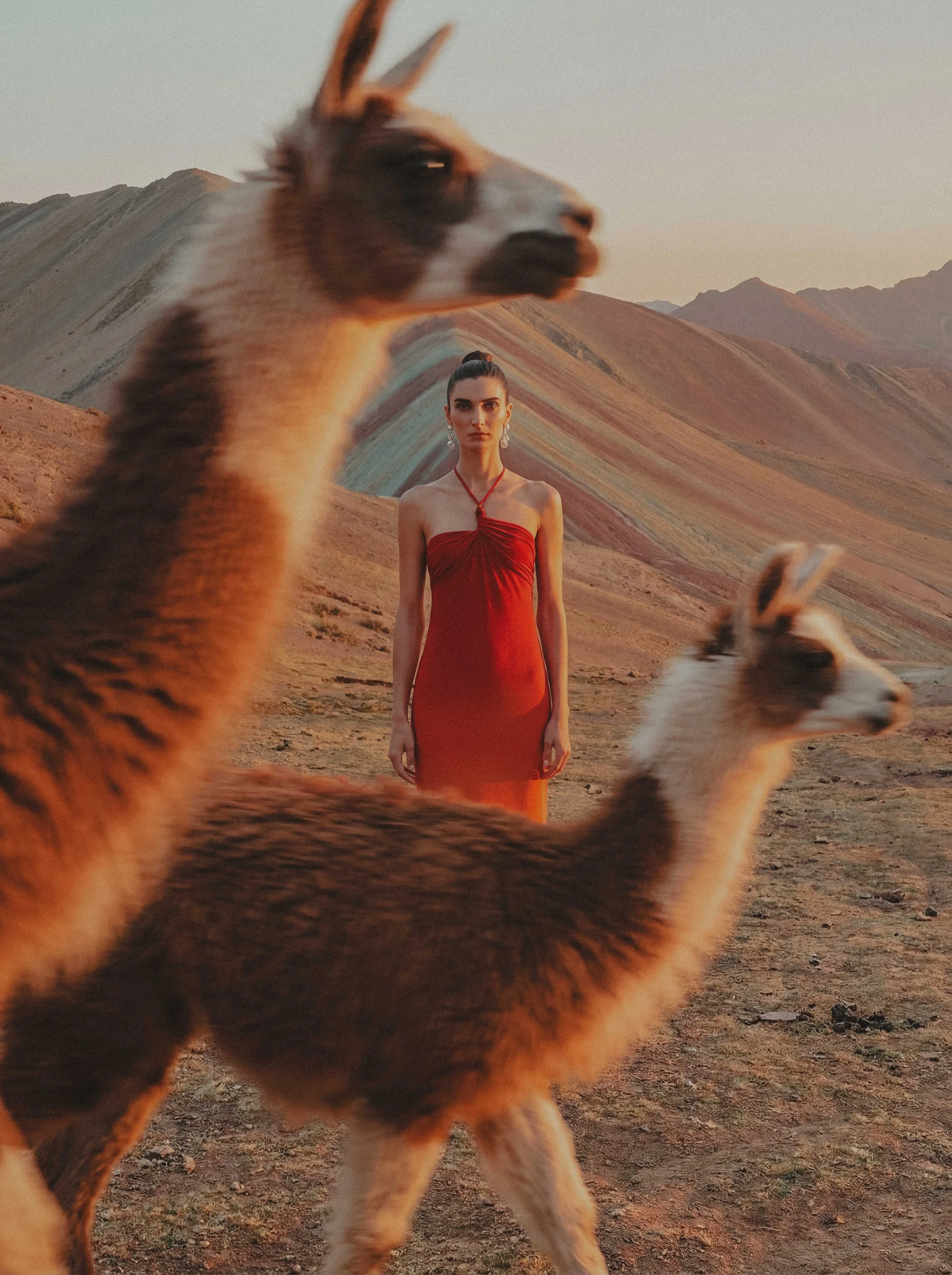
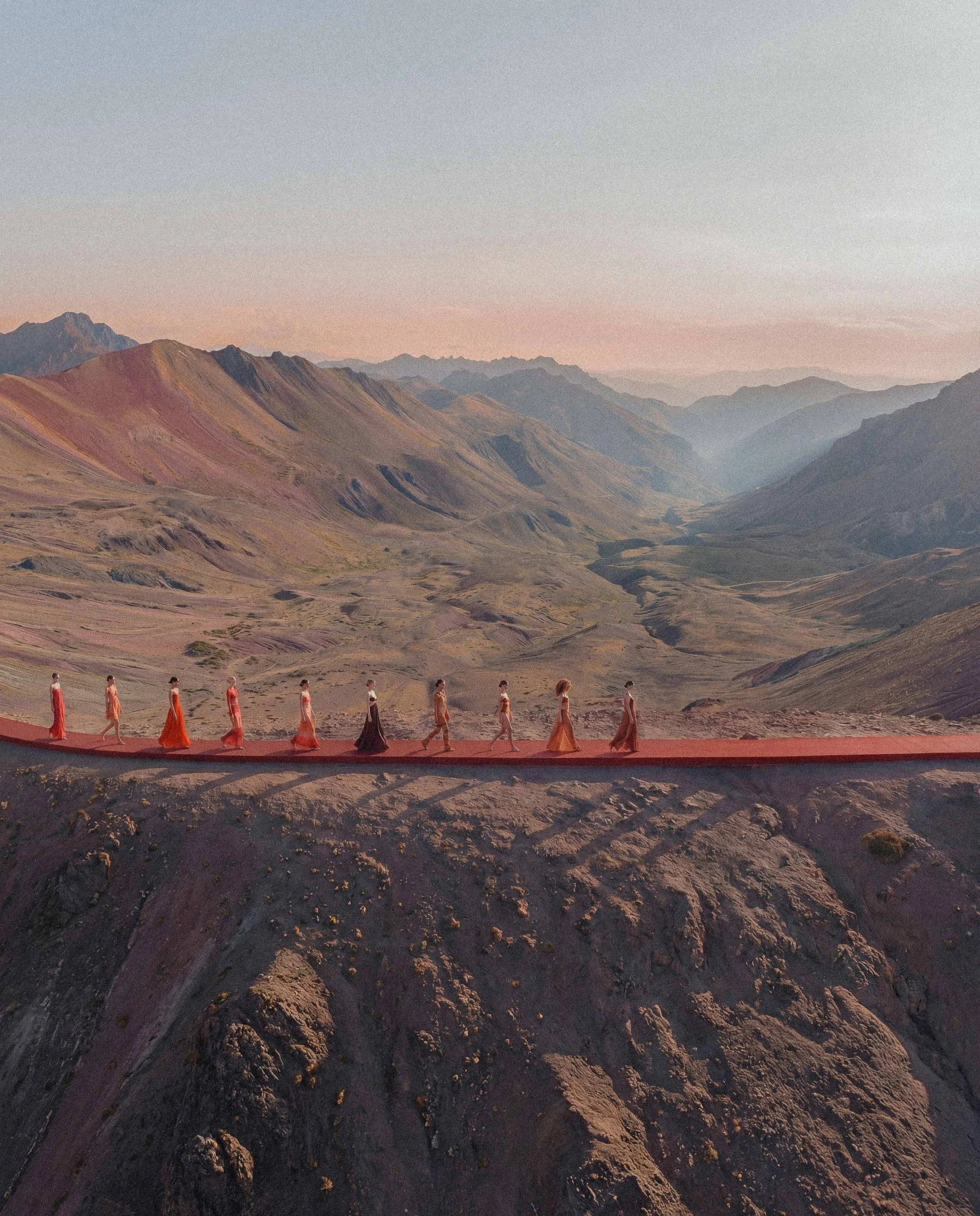
What does that landscape represent to you?
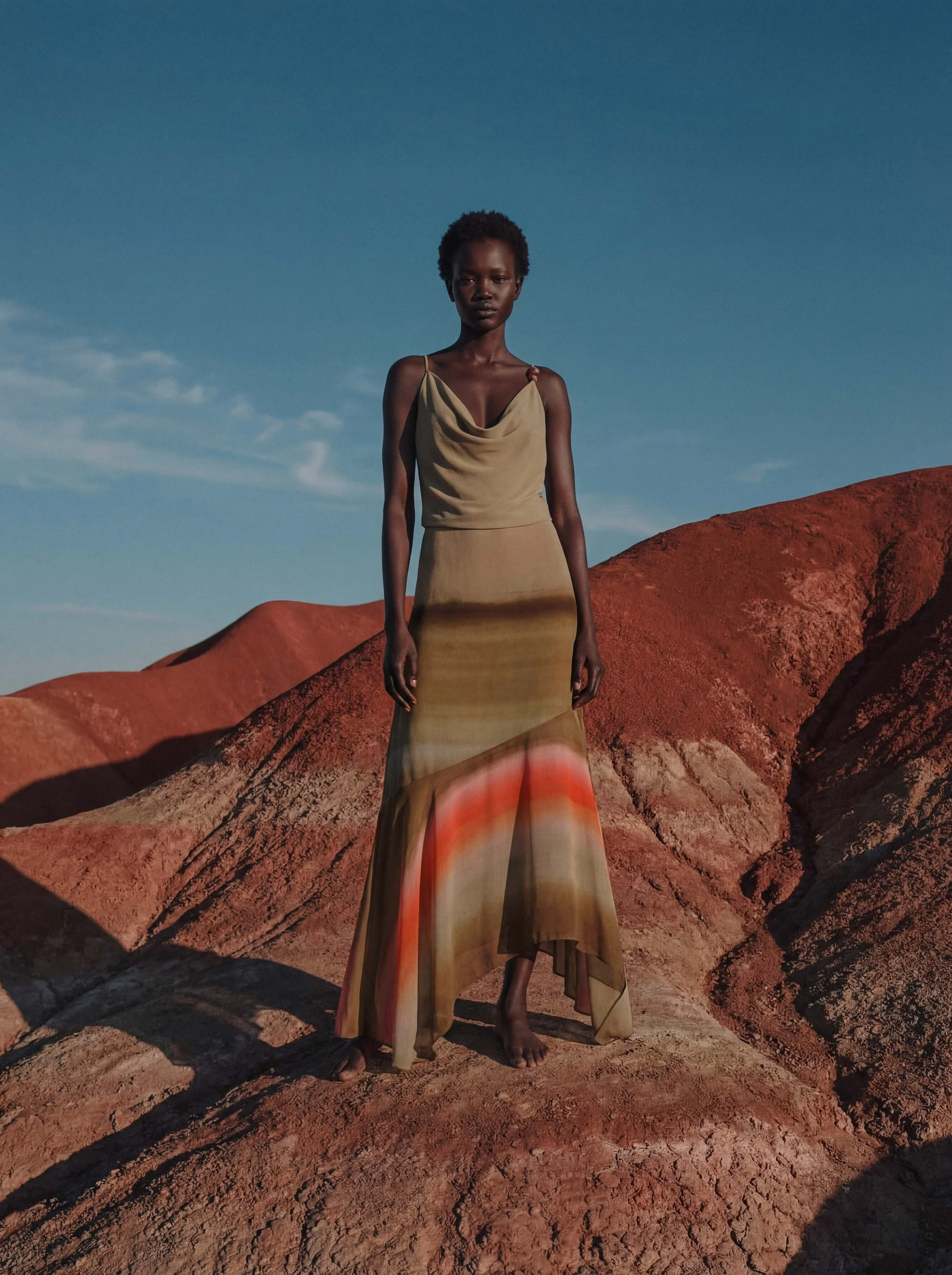
It represents transcendence.
It is sacred, fragile, immense. It reminds us that beauty exists beyond human construction. It’s all about a dialogue between fashion and nature. Between ambition and humility.
When did you realize physical execution would be almost impossible?
Very early.
The altitude, the environmental sensitivity, the logistics. It became clear that producing a physical runway there would contradict the very respect the mountain demands.
That was the turning point. Instead of shrinking the dream, we evolved the method.
What made you open to digital production systems?
Because the future is not optional.
At Baobab, one of our pillars is to shape what is coming, not react to it. AI is a tool, but also a new language. And languages expand culture.
We didn’t see it as a shortcut. We saw it as a frontier.
What were your initial concerns?
That it could feel cold.
Fashion is tactile. It is human. I did not want technology to erase emotion.
So we built this project with photographers, MUAs, stylists, Colombian creatives, multidisciplinary teams working for over three months. AI was integrated into a human ecosystem. Not replacing it. Amplifying it.
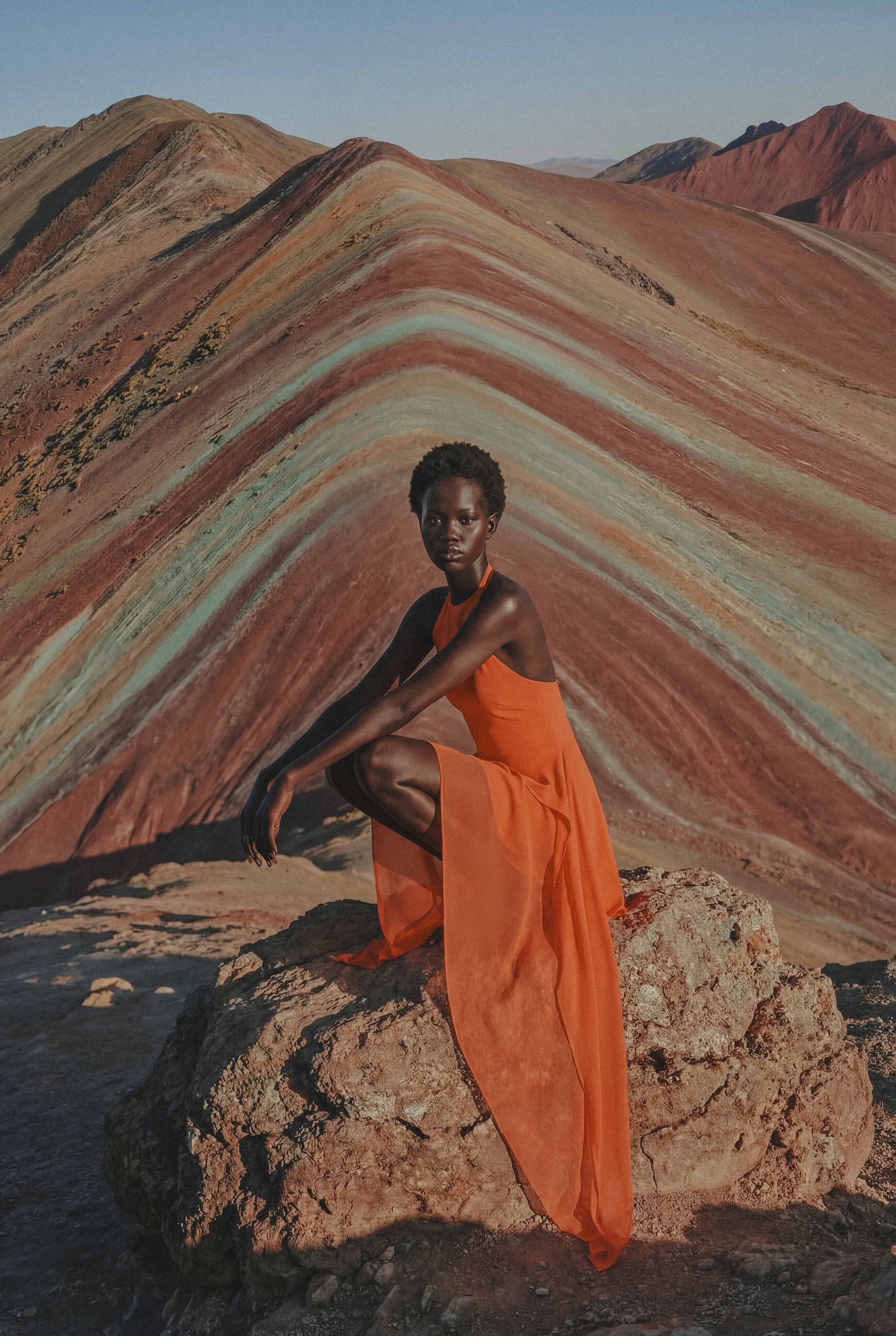
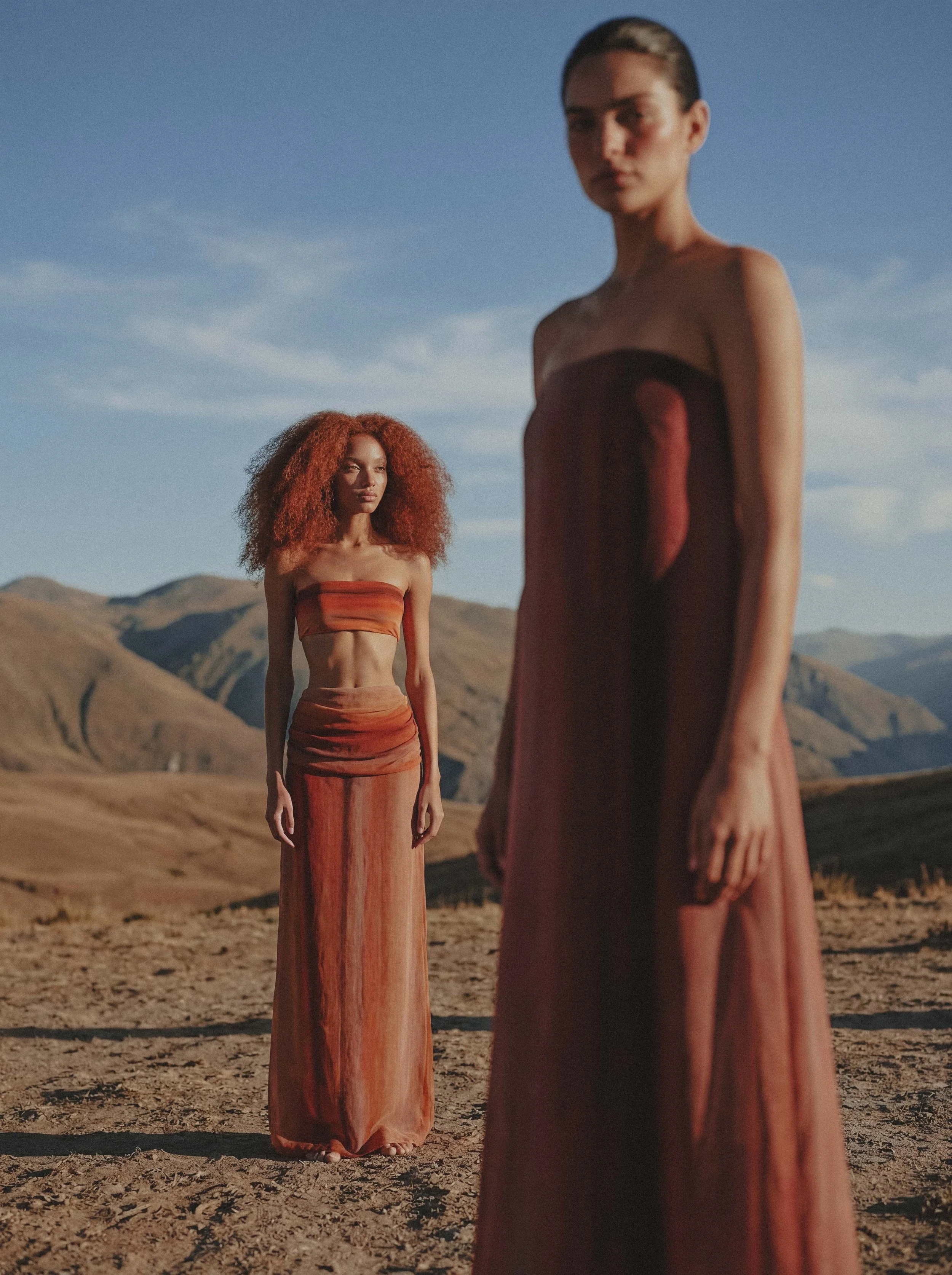
“We didn’t see it as a shortcut. We saw it as a frontier.”
What surprised you most?
The depth of collaboration it required.
People think AI means fewer creatives. In our case, it required more. More art direction, more precision, more imagination.
It demanded clarity of vision. Technology only executes what you are capable of conceiving.
Replacement or expansion?
Expansion. Absolutely.
Digital production does not eliminate physical craft. It adds dimensions.
Just as photography did not kill painting, AI will not kill fashion. It will create new genres within it.
Did sustainability play a role?
Flying large teams to 5,000 meters in a fragile ecosystem for the sake of the runway would have been irresponsible.
Innovation allowed us to honor the location without exploiting it. That, to me, is progress.
Do brands have a responsibility to rethink production?
Without question.
We are operating in a time where scale and impact must be reconsidered. The old formula bigger, louder, heavier is outdated.
True luxury today is intelligence. It is restraint. It is innovation with awareness.
How do you decide when to take risks?
If it makes me slightly uncomfortable, I know it’s right. Comfort maintains. Discomfort evolves.
As a founder, my responsibility is not to protect the brand from risk; it is to protect it from irrelevance.
What does innovation mean to you?
Innovation is not aesthetics.
It is perspective. It is questioning systems that feel permanent. It is rethinking how we produce, how we show, how we consume.
In fashion and beyond, innovation is the courage to redesign the structure, not just the surface.
How do you want Baobab perceived in five years?
As a brand that likes to anticipate the shifts.
A brand that honors its Latin American roots while speaking a global language of future-thinking design.
I want Baobab to be known not just for beautiful pieces, but for building cultural conversations.
What did you feel seeing the Vinicunca runway come to life?
Relief, pride, excitement.
It felt like watching an idea cross dimensions from imagination, to concept, to digital landscape.
It confirmed that boundaries are often logistical, not creative.
If you could stage a runway anywhere without limits?
The mountain of 1000 colors in Peru!
“My responsibility is not to protect the brand from risk; it is to protect it from irrelevance.”

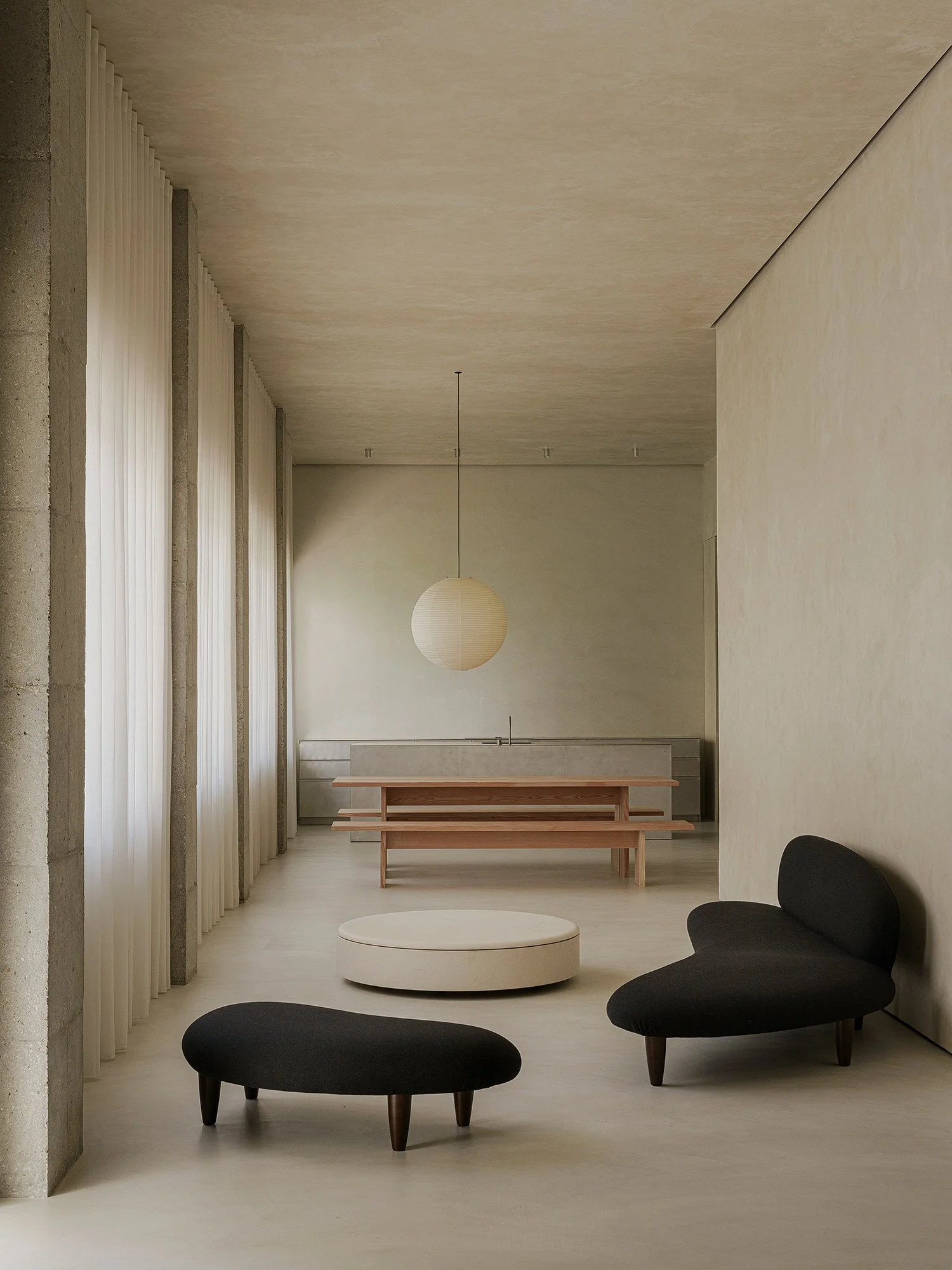
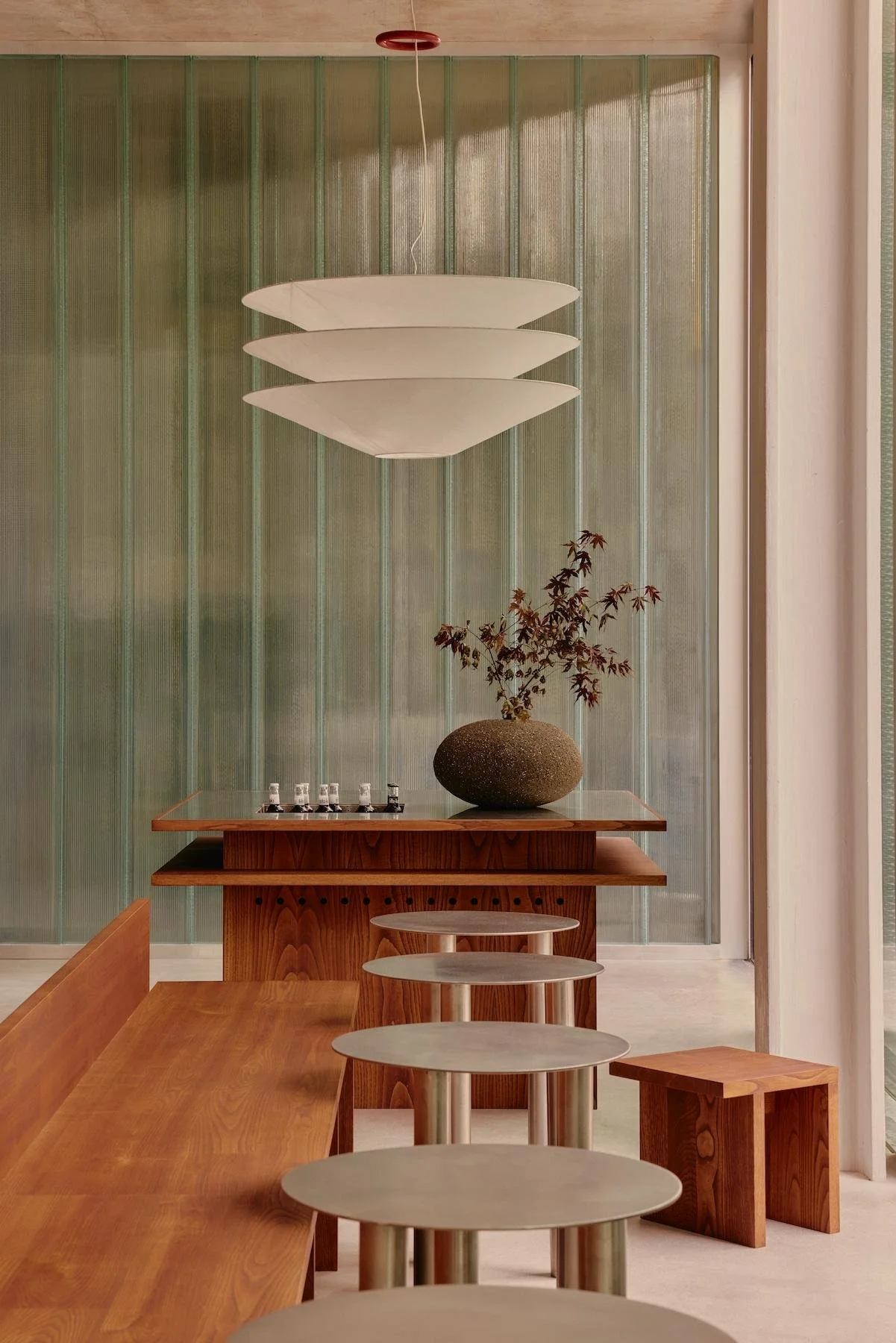
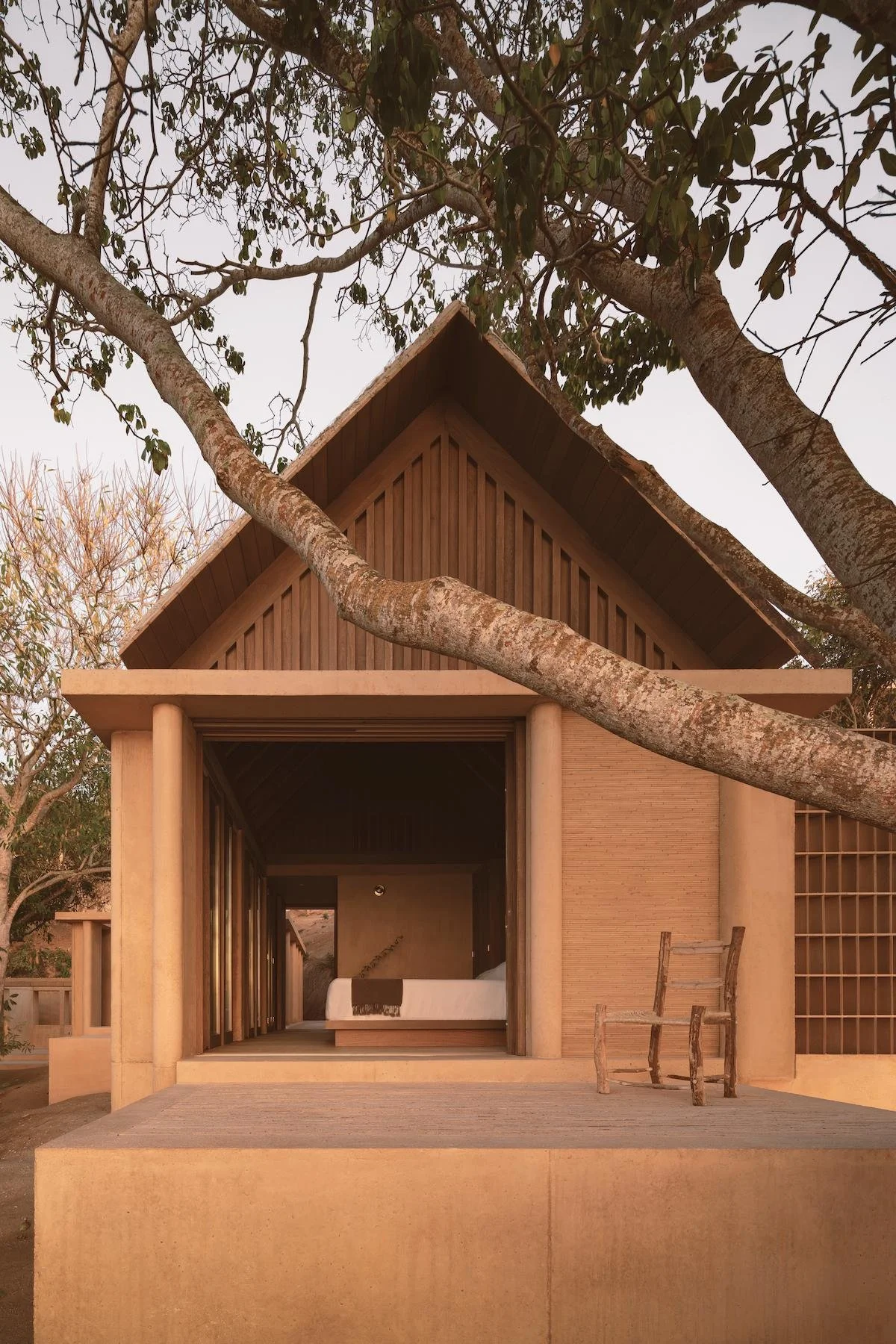

For some art is visual, and for others it’s immersive. Along the coast of Portugal in the town of Pinheiro da Cruz lies Melides Art, a newly-built residential project amidst a contemporary art park. An utterly unique and one-of-a-kind concept, it combines a residential project and art community designed to be a creative platform and home for some of the world’s most talented living modern artists. Nestled in a transformative and inspirational space, Melides Art works to offer an experience for both residents and visitors to connect with art and environment.